
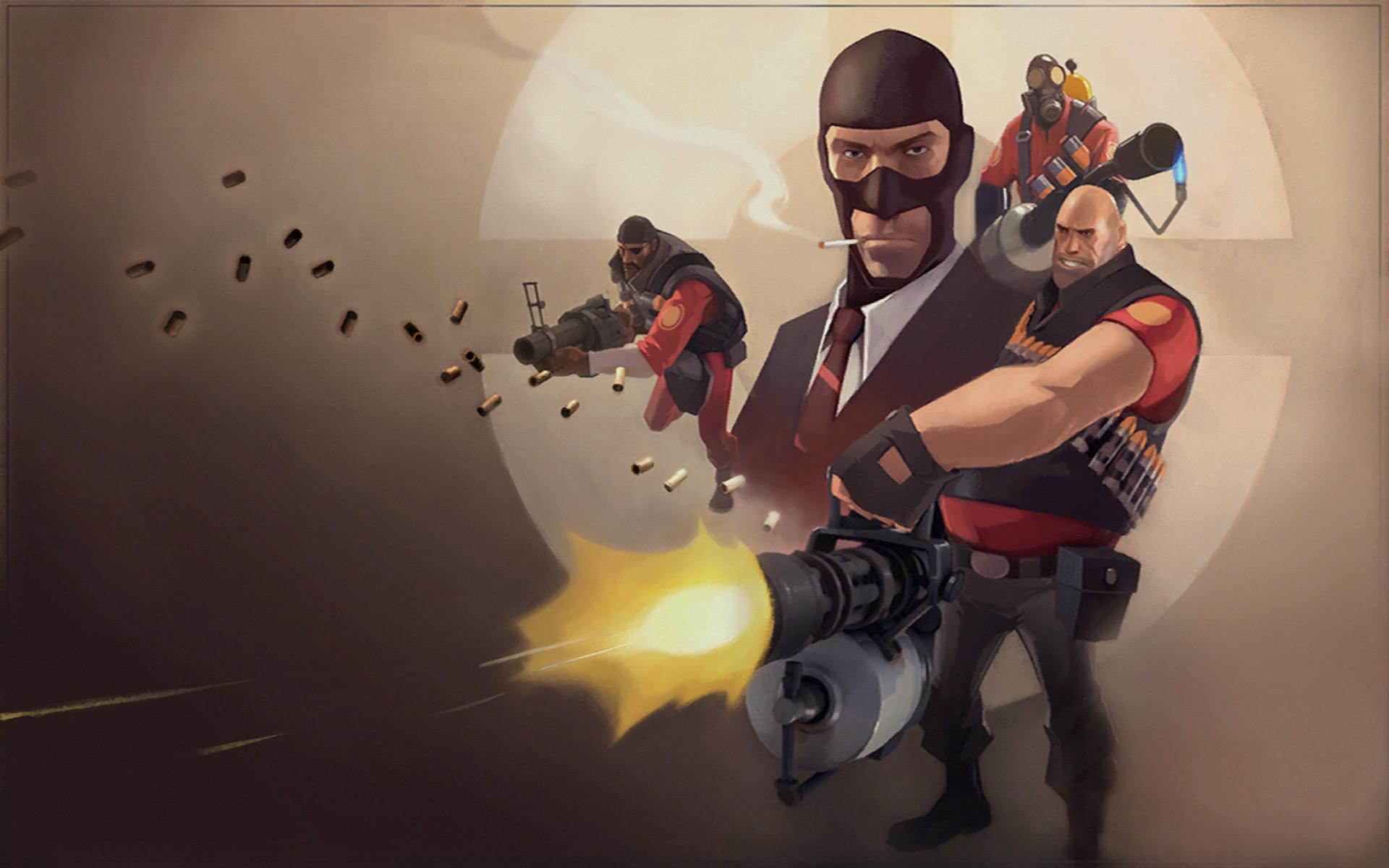
TF2 The Panic Attack: Everything Gamers Need to Know
Team Fortress 2 (TF2) is known for its fast-paced, chaotic gameplay. But sometimes, the heat of battle can trigger something far more serious than just frustration: a panic attack. If you're a TF2 player who's experienced that sudden wave of intense fear while gaming, you're not alone. This article dives deep into the connection between TF2 and panic attacks, providing evidence-based information to help you understand what's happening and how to manage it. We'll explore the triggers within the game, coping strategies you can use in the moment, and long-term solutions to help you enjoy TF2 and gaming in general without the fear of panic.
Understanding Panic Attacks in the Context of TF2
What exactly is a panic attack? It's a sudden episode of intense fear that triggers severe physical reactions, even when there's no real danger or apparent cause. When playing TF2, the fast-paced, competitive nature of the game can create a perfect storm of stress, leading to panic attacks in susceptible individuals. Understanding the signs and symptoms is crucial for distinguishing a normal stress response from a full-blown panic attack.
Signs and Symptoms of a Panic Attack
Pounding heart or racing pulse: The adrenaline rush from TF2 can amplify these sensations. Sweating: Often described as feeling clammy or suddenly overheated. Trembling or shaking: A physical manifestation of the intense anxiety. Shortness of breath or feeling like you're being smothered: This can be incredibly alarming. Chest pain or discomfort: Can mimic the feeling of a heart attack, leading to further panic. Nausea or abdominal distress: The "fight or flight" response can disrupt digestion. Feeling dizzy, unsteady, lightheaded, or faint: Can feel like you're losing control. Chills or heat sensations: A sudden and unexplained change in body temperature. Numbness or tingling sensations: Often in the hands, feet, or face. Feelings of unreality or detachment: Feeling like you're observing yourself from outside your body (depersonalization) or that the world isn't real (derealization). Fear of losing control or going crazy: A common and distressing thought during a panic attack. Fear of dying: The most extreme and frightening sensation.
Panic Attack vs. Anxiety Attack vs. Simple Frustration While Gaming
It's important to differentiate between these experiences.Anxiety is a general feeling of worry or unease, while apanic attack is a sudden, intense surge of fear. Feeling frustrated after losing a TF2 match is normal; a panic attack is far more intense and involves significant physical symptoms. Understanding the difference will allow you to apply the correct coping strategies.
Causes & Triggers: Why TF2 Can Spark a Panic Attack
Several factors can contribute to panic attacks while playing TF2. These triggers can be both internal and external: Stress and Pressure: Competitive TF2 can be highly stressful. The pressure to perform well, win matches, and maintain a good kill/death ratio can trigger anxiety. Pre-existing Anxiety Disorders: Individuals already diagnosed with generalized anxiety disorder, social anxiety disorder, or panic disorder are more susceptible to panic attacks while gaming. TF2 can act as a catalyst, bringing underlying anxiety to the surface. Hyperstimulation: The bright lights, loud sounds, and fast-paced action of TF2 can overstimulate the nervous system, especially for those prone to anxiety. Sleep Deprivation: Playing TF2 late into the night can disrupt sleep patterns, making you more vulnerable to anxiety and panic attacks. Caffeine and Energy Drinks: Many gamers rely on caffeine to stay alert. However, excessive caffeine can trigger anxiety and panic attacks. Dehydration: Forgetting to drink enough water during long gaming sessions can lead to dehydration, which can worsen anxiety symptoms. Social Anxiety: Playing TF2 with others, especially in competitive settings, can trigger social anxiety in some individuals. The fear of being judged or criticized can contribute to panic attacks. Performance Anxiety: Fear of underperforming or letting your team down can lead to significant anxiety.
Risks & Misconceptions: Separating Fact from Fiction
It's crucial to address common misconceptions surrounding panic attacks. Understanding the risks (and lack thereof) can help alleviate some of the anxiety associated with them.
Myth: Panic attacks are dangerous and can cause death. Fact: Panic attacks are not physically dangerous. While the symptoms can be intense and frightening, they will not cause a heart attack, stroke, or any other life-threatening condition. Myth: You will lose control during a panic attack. Fact: Although it may feel like you're losing control, you are not. Panic attacks are self-limiting and will eventually subside. Myth: Fainting is a common symptom of panic attacks. Fact: While the sensation of feeling faint is common, actually fainting from a panic attack is rare. Hyperventilation can sometimes lead to a temporary drop in blood pressure, but this rarely results in complete loss of consciousness. Myth: Panic attacks mean you're going crazy. Fact: Panic attacks are a symptom of anxiety and do not indicate a mental illness. Many people experience panic attacks without having an underlying psychiatric disorder.
Can Anxiety Cause Fainting While Gaming?
While true fainting is rare, the feeling of lightheadedness or near-fainting is common during a panic attack. This sensation is often caused by hyperventilation, which can lead to a temporary decrease in carbon dioxide levels in the blood, affecting blood flow to the brain. Focusing on slow, controlled breathing can help alleviate this feeling.
Coping & Management Strategies: Regaining Control
There are several strategies you can use to manage panic attacks both in the moment and in the long term.
Immediate Calming Strategies
Deep Breathing Exercises: Focusing on your breath can help regulate your heart rate and calm your nervous system. Try the 4-7-8 technique: inhale for 4 seconds, hold for 7 seconds, and exhale for 8 seconds. Grounding Techniques: These techniques help you reconnect with the present moment. Try the 5-4-3-2-1 method: name 5 things you can see, 4 things you can touch, 3 things you can hear, 2 things you can smell, and 1 thing you can taste. Visualization: Imagine a peaceful scene, such as a beach or a forest. Focus on the details of the scene, engaging all your senses. Cold Water: Splashing cold water on your face or holding an ice pack can activate the vagus nerve, which helps regulate the nervous system. Mantras or Affirmations: Repeating a calming phrase, such as "I am safe" or "This will pass," can help reduce anxiety. Step Away from the Game: If possible, pause the game or leave the match to give yourself a break and allow your anxiety to subside.
Long-Term Management Strategies
Therapy: Cognitive Behavioral Therapy (CBT) is a highly effective treatment for panic disorder. CBT helps you identify and change negative thought patterns and behaviors that contribute to anxiety. Medication: Antidepressants (SSRIs and SNRIs) and anti-anxiety medications can be helpful in managing panic disorder. Talk to your doctor to determine if medication is right for you. Beta-blockers can also help manage the physical symptoms of anxiety, such as a racing heart. Lifestyle Changes: Prioritize sleep, eat a healthy diet, and avoid excessive caffeine and alcohol. Regular exercise can also help reduce anxiety. Mindfulness and Meditation: Practicing mindfulness can help you become more aware of your thoughts and feelings, allowing you to manage anxiety more effectively. Exposure Therapy:Gradually exposing yourself to anxiety-provoking situations (in a safe and controlled environment) can help you desensitize yourself to triggers and reduce the likelihood of panic attacks. This might involve playing TF2 in shorter bursts or with less competitive settings.
Medical & Safety Guidance: When to Seek Help
While panic attacks are generally not dangerous, it's important to know when to seek medical attention.
When to Seek Urgent Care
Chest pain: Especially if it's accompanied by shortness of breath, dizziness, or nausea. These symptoms can mimic a heart attack and require immediate medical evaluation. Prolonged fainting: If you lose consciousness for more than a few seconds, seek medical attention to rule out underlying medical conditions. High blood pressure:If you have consistently high blood pressure, talk to your doctor about managing it.
When to Talk to a Doctor
Frequent panic attacks: If you're experiencing panic attacks regularly, it's important to seek professional help. Panic attacks interfere with daily life: If panic attacks are affecting your ability to work, socialize, or enjoy your hobbies, it's time to talk to a doctor or therapist. Co-existing conditions: If you have other mental health conditions, such as depression, PTSD, or OCD, it's important to seek integrated treatment. Concerns about medication: If you're considering medication, talk to your doctor about the risks and benefits.
FAQs: Addressing Your Concerns About Panic Attacks and Gaming
Can TF2 actuallycausepanic attacks, or does it just trigger them? TF2 is unlikely to directlycausepanic disorder, but it can certainly trigger panic attacks in individuals who are already predisposed to anxiety or have underlying anxiety disorders. How do I stop a panic attack mid-game? The strategies mentioned above, such as deep breathing, grounding techniques, and stepping away from the game, can be helpful in stopping a panic attack mid-game. Experiment to find what works best for you. What if I'm worried about having a panic attack while playing online with friends? It's okay to communicate with your friends about your anxiety. They may be understanding and supportive. You can also set boundaries, such as taking breaks or avoiding competitive modes. Are there specific TF2 classes or maps that are more likely to trigger panic attacks? This varies from person to person. Some may find the intense close-quarters combat of certain maps triggering, while others may find the pressure of playing as a critical support class (like Medic) overwhelming. Identifying your specific triggers is key. Can gaming less help prevent panic attacks? Yes, reducing your gaming time or taking breaks more frequently can help reduce stress and prevent panic attacks. Finding a balance between gaming and other activities is important for overall well-being. What if I feel embarrassed about having panic attacks while gaming? Panic attacks are a common experience, and there's no shame in seeking help. Many people experience anxiety while gaming. Remember, your health and well-being are the most important thing. Are there any TF2 communities or resources that are supportive of mental health? Look for online communities or forums dedicated to TF2 where mental health discussions are encouraged. Sharing your experiences with others who understand can be incredibly helpful.
Conclusion: You're Not Alone, and Help is Available
Experiencing a panic attack while playing TF2 can be a frightening experience. Remember that you're not alone, and there are strategies you can use to manage your anxiety and regain control. By understanding the triggers within the game, practicing coping techniques, and seeking professional help when needed, you can continue to enjoy TF2 without the fear of panic. If panic attacks are significantly impacting your life, please reach out to a mental health professional. With the right support, you can manage your anxiety and enjoy gaming and life to the fullest.