
Anxiety, Panic Attacks, and Crying: Why Tears Flow With Fear
Have you ever experienced a sudden rush of overwhelming fear accompanied by uncontrollable crying? You're not alone. The connection between anxiety, panic attacks, and crying is a common, yet often misunderstood, experience. This article will explore why tears might flow during moments of intense fear and anxiety, providing you with evidence-based information to understand, cope with, and manage these experiences. We’ll delve into the reasons behind this emotional response, practical coping strategies, and when to seek professional help. Rest assured, you’ll gain insights and tools to navigate these challenging moments with greater understanding and self-compassion.
Understanding the Link Between Anxiety, Panic Attacks, and Tears
It's important to first understand the components at play: anxiety, panic attacks, and crying. Anxiety is a general feeling of worry, nervousness, or unease, typically about an event or something with an uncertain outcome. A panic attack, on the other hand, is a sudden episode of intense fear that triggers severe physical reactions when there is no real danger or apparent cause. Crying, in this context, is an emotional release, often triggered by the overwhelming feelings associated with anxiety and panic.
Think of it as your body's way of signaling distress. But whyexactlydoes this happen?
Signs and Symptoms You Might Be Experiencing
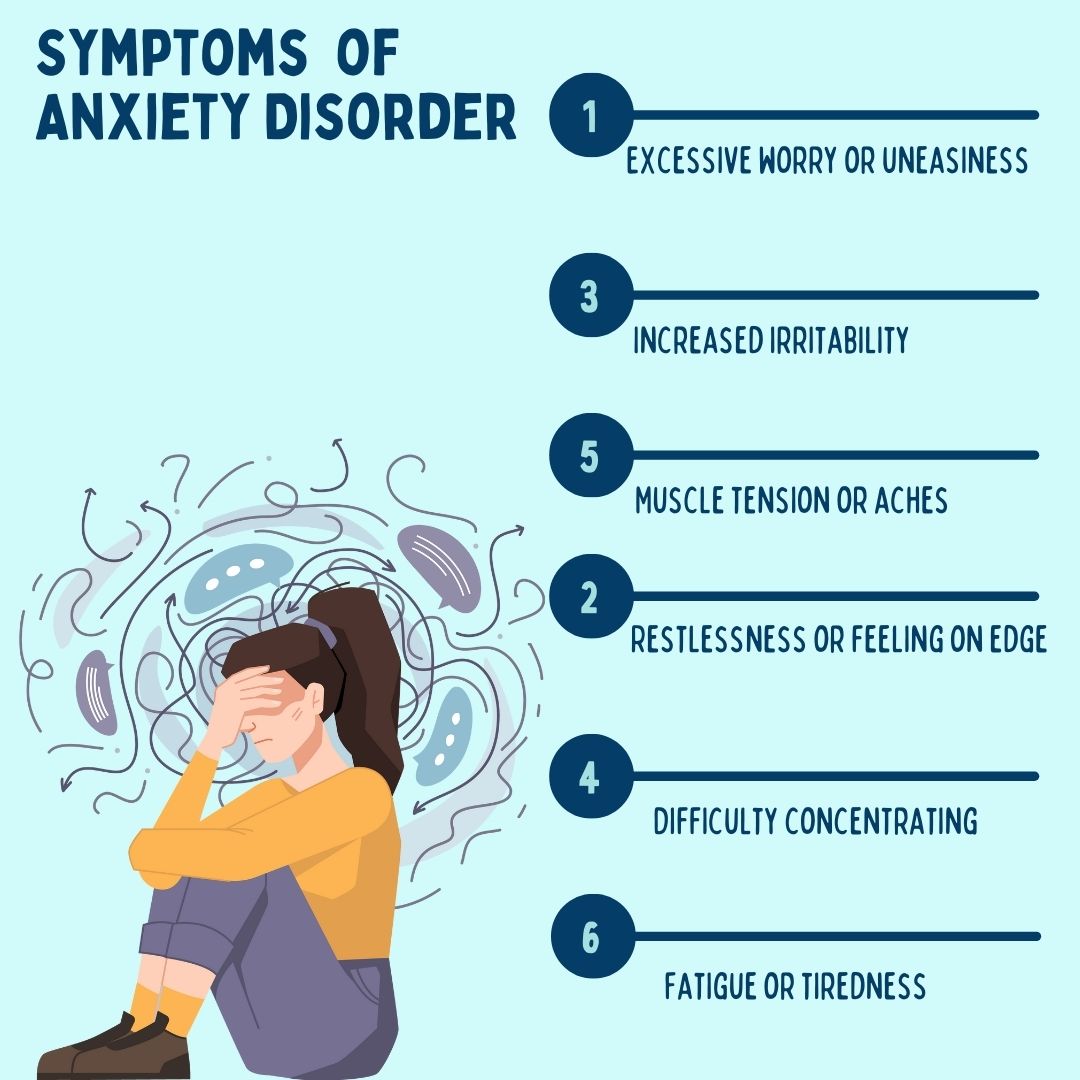
Sudden onset of intense fear or discomfort
Rapid heartbeat and shortness of breath
Trembling, sweating, and dizziness
Feelings of detachment or unreality (derealization or depersonalization)
An overwhelming urge to cry or uncontrollable tears
Muscle tension, chest tightness
Fear of losing control or dying
Differentiating Between Anxiety, Panic, and a "Breakdown"
It's crucial to understand the differences between anxiety, panic attacks, and what some might call a breakdown.Anxiety is a more persistent state of worry, while panic attacks are acute episodes. A "breakdown," while not a clinical term, often describes a period of significant emotional distress that may involve prolonged crying, difficulty functioning, and feelings of hopelessness. Panic attacks cancontributeto a breakdown, but they are not the same thing.
What Causes Crying During Anxiety and Panic?
Several factors contribute to the connection between anxiety, panic attacks, and crying.
The Fight-or-Flight Response: When faced with a perceived threat, the body activates the fight-or-flight response, releasing stress hormones like adrenaline and cortisol. This surge of hormones can overwhelm the nervous system, leading to emotional dysregulation and, ultimately, tears. Emotional Overload: Panic attacks are characterized by an intense surge of fear, worry, and physical sensations. This can feel incredibly overwhelming, and crying can serve as a release valve for these pent-up emotions. Amygdala Activation: The amygdala, the brain's emotional center, plays a crucial role in processing fear and anxiety. During a panic attack, the amygdala becomes highly activated, triggering a cascade of emotional and physical responses, including crying. Vulnerability and Helplessness: Panic attacks can leave individuals feeling vulnerable, powerless, and out of control. Crying can be a natural expression of these feelings. Trauma: For individuals with a history of trauma, anxiety and panic attacks can be particularly triggering. Crying may be a response to reliving traumatic memories or emotions. Underlying Mental Health Conditions: Conditions like depression, generalized anxiety disorder (GAD), and social anxiety disorder can increase vulnerability to both panic attacks and heightened emotional responses like crying. Hormonal Fluctuations:Especially in women, hormonal changes associated with menstruation, pregnancy, postpartum, or perimenopause can affect mood regulation and increase emotional reactivity.
Can Specific Triggers Intensify Crying During Anxiety?
Yes, certain triggers can exacerbate the connection between anxiety, panic attacks, and crying: Stressful life events: Job loss, relationship problems, financial difficulties, or grief can heighten overall anxiety levels. Relationship problems: Arguments, feeling unsupported, or fear of abandonment can trigger intense emotional responses. Health Concerns: Worrying about your own health or the health of loved ones. Specific phobias: Facing a feared object or situation (e.g., spiders, heights, public speaking) can induce both panic and crying. Caffeine, alcohol, or drug use: These substances can disrupt the nervous system and trigger or worsen anxiety and panic. Sleep deprivation: Lack of sleep can impair emotional regulation and increase vulnerability to anxiety. Nutritional Deficiencies:Deficiencies in certain vitamins and minerals, such as magnesium or vitamin D, have been linked to mood disturbances.
Anxiety and Crying During Pregnancy
Pregnancy is a period of significant hormonal, physical, and emotional changes. These changes can make pregnant women more susceptible to anxiety and emotional outbursts, including crying. It's vital for pregnant women experiencing frequent anxiety or panic attacks to seek support from their healthcare providers.
Risks and Misconceptions About Anxiety, Panic, and Crying
It’s important to address some common misconceptions surrounding anxiety, panic attacks, and crying: Misconception:Crying during a panic attack means you're "weak" or "losing it."
Reality: Crying is a normal and healthy emotional response to intense stress and fear. It doesn't indicate weakness or a lack of control. Misconception: Panic attacks are physically dangerous.
Reality: While panic attacks can feel terrifying and cause physical symptoms, they are not inherently dangerous and do not cause physical harm. However, it's essential to rule out any underlying medical conditions with a doctor. Misconception: You can stop a panic attack simply by "thinking positively."
Reality: While positive thinking can be helpful in managing anxiety, it's often not enough to stop a panic attack in its tracks. Panic attacks are physiological responses that require specific coping strategies. Misconception: Crying makes anxiety worse.
Reality: For some, crying can provide a release of pent-up emotions and lead to a sense of relief. However, for others, it can exacerbate feelings of sadness or helplessness. Understanding your own emotional response is key.
When Should You Be Concerned?
While anxiety and panic attacks are not inherently dangerous, it's important to seek professional help if:
Panic attacks become frequent or debilitating.
Anxiety interferes with your daily life, work, or relationships.
You experience suicidal thoughts or feelings.
You have underlying medical conditions that may be contributing to your anxiety.
You're using substances to cope with anxiety.
Coping and Management Strategies
Here are some practical strategies for managing anxiety, panic attacks, and crying:Immediate Calming Strategies (During a Panic Attack):
Deep Breathing: Practice slow, deep breathing exercises to regulate your heart rate and calm your nervous system. Inhale deeply through your nose, hold for a few seconds, and exhale slowly through your mouth. Grounding Techniques: Use your senses to ground yourself in the present moment. Describe five things you can see, four things you can touch, three things you can hear, two things you can smell, and one thing you can taste. Progressive Muscle Relaxation: Tense and release different muscle groups in your body to reduce tension and promote relaxation. Mindfulness and Meditation: Focus on your breath and observe your thoughts and feelings without judgment. Self-Soothing: Engage in activities that bring you comfort and peace, such as listening to calming music, taking a warm bath, or cuddling with a pet. Mantra or Affirmation: Repeat a calming mantra or affirmation to yourself, such as "This will pass," or "I am safe."
Long-Term Strategies (Managing Underlying Anxiety)
Therapy: Cognitive Behavioral Therapy (CBT) and other forms of therapy can help you identify and challenge negative thought patterns and develop coping skills. Medication: Antidepressants (SSRIs, SNRIs) and anti-anxiety medications can help regulate brain chemistry and reduce anxiety symptoms. Consult with a psychiatrist to determine if medication is right for you. Lifestyle Changes:Adopt healthy lifestyle habits, such as regular exercise, a balanced diet, sufficient sleep, and limiting caffeine and alcohol intake.
Alternative and Supportive Practices
Yoga: Promotes relaxation, mindfulness, and physical well-being. Acupuncture: May help reduce anxiety and promote relaxation. Herbal Remedies: Certain herbs, such as chamomile and lavender, have calming properties. Consult with a healthcare professional before using herbal remedies. Faith-Based Coping: Prayer, meditation, and connecting with your faith community can provide comfort and support.
Medical and Safety Guidance
When to Seek Urgent Care
Chest pain or pressure
Difficulty breathing or shortness of breath
Sudden dizziness or loss of consciousness
Severe headache
Numbness or weakness on one side of the body
These symptoms could indicate a medical emergency, such as a heart attack or stroke.
When to Talk to a Doctor
Frequent or debilitating panic attacks
Anxiety that interferes with your daily life
Suicidal thoughts or feelings
Underlying medical conditions
Use of substances to cope with anxiety
Pregnancy
ICD-10 Codes (For informational purposes only - diagnosis should be made by a professional)
F41.0: Panic disorder [episodic paroxysmal anxiety]
F41.1: Generalized anxiety disorder
F43.10: Post-traumatic stress disorder, unspecified
FAQs About Anxiety, Panic Attacks, and Crying
1. Is it normal to cry during a panic attack?
Yes, it is perfectly normal to cry during a panic attack. Crying is a natural emotional response to the overwhelming fear and distress associated with panic.
2. Can crying actually make a panic attack worse?
For some, crying provides a release and can help lessen the intensity of a panic attack. However, for others, it may amplify feelings of sadness and helplessness. It's important to be aware of your own emotional responses.
3. What's the best way to stop crying during a panic attack?
Focus on calming your physical symptoms first. Practice deep breathing, use grounding techniques, and repeat calming mantras. If you find that crying is making you feel worse, try to gently redirect your attention to something else.
4. Are there medications that can help with anxiety and crying?
Yes, several medications can help with anxiety and crying, including antidepressants (SSRIs, SNRIs) and anti-anxiety medications. Consult with a psychiatrist to determine the best option for you.
5. Can therapy help with anxiety and crying?
Absolutely. Therapy, especially Cognitive Behavioral Therapy (CBT), can help you understand the root causes of your anxiety, develop coping skills, and learn to manage your emotional responses.
6. Is there a link between hormones and crying during anxiety?
Yes, hormonal fluctuations can affect mood regulation and increase emotional reactivity. Women may experience heightened anxiety and crying during menstruation, pregnancy, postpartum, or perimenopause.
7. Should I be concerned if my child cries during anxiety?
It's normal for children to cry when they're feeling anxious. However, if your child's anxiety is frequent, severe, or interfering with their daily life, it's important to seek professional help from a child psychologist or psychiatrist.
Conclusion
Experiencing anxiety, panic attacks, and crying can be incredibly distressing. Remember that you are not alone, and these experiences are often a normal response to overwhelming stress and fear. By understanding the underlying causes, adopting coping strategies, and seeking professional help when needed, you can manage these experiences and regain control of your emotional well-being. If anxiety and panic attacks are significantly impacting your life, don't hesitate to reach out to a healthcare professional or therapist. There is hope, and help is available. Take things one step at a time, practice self-compassion, and believe in your ability to heal and thrive.