
Bipolar Disorder and Panic Attacks: Managing Both Conditions
Living with bipolar disorder can be challenging enough, but when panic attacks enter the equation, it can feel overwhelming. If you're navigating both bipolar disorder and panic attacks, you're not alone. Many individuals experience these conditions concurrently. This article aims to provide you with a clear understanding of the connection between bipolar disorder and panic attacks, offering practical strategies for managing both effectively. We'll explore the symptoms, potential causes, coping mechanisms, and when to seek professional help. Rest assured, the information presented here is based on evidence-based practices and credible sources, such as the American Psychiatric Association (APA) and the National Institute of Mental Health (NIMH).
Understanding Bipolar Disorder and Panic Attacks
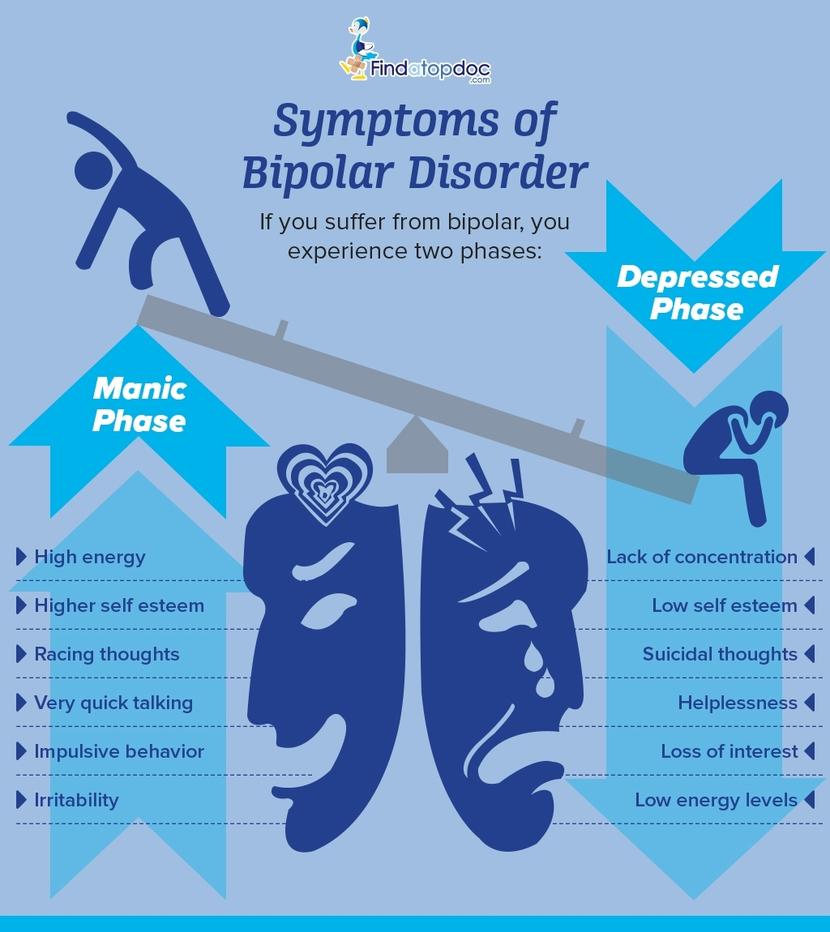
Bipolar disorder is a mental health condition characterized by extreme shifts in mood, energy, activity levels, concentration, and the ability to carry out day-to-day tasks. These shifts can range from periods of intense highs (mania or hypomania) to profound lows (depression). Panic attacks, on the other hand, are sudden episodes of intense fear that trigger severe physical reactions, even when there is no real danger or apparent cause.
Key Symptoms of Bipolar Disorder
Manic Episodes: Elevated mood, increased energy, racing thoughts, impulsivity, decreased need for sleep, grandiosity. Hypomanic Episodes: Similar to manic episodes but less severe and shorter in duration. Depressive Episodes: Persistent sadness, loss of interest or pleasure, fatigue, changes in appetite or sleep, difficulty concentrating, feelings of worthlessness or guilt. Mixed Episodes: Symptoms of both mania and depression occurring simultaneously.
Key Symptoms of Panic Attacks
Pounding heart or accelerated heart rate
Sweating
Trembling or shaking
Shortness of breath or feeling of being smothered
Feelings of choking
Chest pain or discomfort
Nausea or abdominal distress
Feeling dizzy, unsteady, lightheaded, or faint
Chills or heat sensations
Numbness or tingling sensations
Feelings of unreality (derealization) or being detached from oneself (depersonalization)
Fear of losing control or going crazy
Fear of dying
Differentiating Panic Attacks from Bipolar Disorder
It's crucial to differentiate between panic attacks and mood episodes in bipolar disorder. While panic attacks are discrete episodes of intense fear, mood episodes are sustained periods of altered mood. However, panic attacks can occur during any phase of bipolar disorder, making diagnosis and management more complex.
The Link Between Bipolar Disorder and Panic Attacks
Research suggests a significant overlap between bipolar disorder and panic disorder. Individuals with bipolar disorder are more likely to experience panic attacks than the general population. This comorbidity can worsen the overall impact of both conditions, leading to increased distress and functional impairment. The exact reasons for this connection are still being researched, but potential factors include: Genetic Predisposition: Both bipolar disorder and panic disorder have a genetic component, suggesting shared vulnerabilities. Neurochemical Imbalances: Imbalances in neurotransmitters, such as serotonin, norepinephrine, and dopamine, are implicated in both conditions. Stress and Trauma: Stressful life events and trauma can trigger both bipolar episodes and panic attacks. Anxiety Sensitivity: Individuals with bipolar disorder may have heightened anxiety sensitivity, making them more prone to experiencing and interpreting bodily sensations as threatening, leading to panic attacks.
Causes and Triggers
Understanding the potential causes and triggers of panic attacks and bipolar episodes is essential for effective management.
Causes and Triggers for Panic Attacks
Stressful Life Events: Major life changes, relationship problems, or job loss. Trauma: Past experiences of trauma, such as abuse or accidents. Medical Conditions: Thyroid problems, heart conditions, or respiratory disorders. Substance Use: Alcohol, caffeine, or drug withdrawal. Specific Phobias: Fear of heights, enclosed spaces, or public speaking. Anxiety Disorders: Generalized anxiety disorder, social anxiety disorder, or obsessive-compulsive disorder. Panic Disorder:A specific anxiety disorder characterized by recurrent, unexpected panic attacks.
Causes and Triggers for Bipolar Episodes
Genetic Predisposition: Family history of bipolar disorder. Stressful Life Events: Trauma, loss, or significant life changes. Sleep Disturbances: Irregular sleep patterns or insomnia. Substance Use: Alcohol or drug abuse. Medications: Certain medications can trigger manic or depressive episodes. Seasonal Changes: Changes in daylight hours can affect mood in some individuals with bipolar disorder (Seasonal Affective Disorder, or SAD).
It's important to note that these lists are not exhaustive, and triggers can vary from person to person. Keeping a mood journal to track potential triggers can be extremely helpful.
Risks and Misconceptions
It’s vital to address some common misconceptions surrounding bipolar disorder and panic attacks.
Misconception: Panic attacks are life-threatening. Fact: While panic attacks can be incredibly distressing, they are not physically dangerous. The symptoms are temporary and will subside. Misconception: Bipolar disorder is simply moodiness. Fact: Bipolar disorder is a complex mental illness with significant biological underpinnings. It’s more than just having ups and downs. Misconception: People with bipolar disorder are always manic or depressed. Fact: Individuals with bipolar disorder can experience periods of stability between mood episodes. Misconception: Panic attacks are a sign of weakness. Fact: Panic attacks are a physiological response to perceived threat and are not a reflection of personal character. Risk:Untreated panic attacks and bipolar disorder can lead to significant impairments in social, occupational, and academic functioning. They can also increase the risk of substance abuse and suicide.
Coping and Management Strategies
Effectively managing both bipolar disorder and panic attacks requires a multi-faceted approach.
Immediate Calming Strategies for Panic Attacks
Deep Breathing: Practice slow, deep breaths. Inhale deeply through your nose, hold for a few seconds, and exhale slowly through your mouth. This can help regulate your heart rate and calm your nervous system. Grounding Techniques: Focus on your senses. Name five things you can see, four things you can touch, three things you can hear, two things you can smell, and one thing you can taste. This can help bring you back to the present moment. Progressive Muscle Relaxation: Tense and release different muscle groups in your body. This can help reduce muscle tension and promote relaxation. Visualization: Imagine a peaceful and calming scene, such as a beach or a forest. Focus on the details and engage all your senses. Mindful Meditation: Pay attention to your thoughts and feelings without judgment. This can help you detach from your anxious thoughts and observe them from a distance. Reassurance: Remind yourself that the panic attack is temporary and will pass. Use positive self-talk, such as "I've gotten through this before, and I can get through this again." Cold Water:Splash cold water on your face or hold an ice cube. This can stimulate the vagus nerve and help slow your heart rate.
Long-Term Strategies for Managing Bipolar Disorder and Panic Attacks
Therapy: Cognitive Behavioral Therapy (CBT) and Dialectical Behavior Therapy (DBT) are effective therapies for both bipolar disorder and panic attacks. CBT helps identify and change negative thought patterns and behaviors, while DBT focuses on emotional regulation and distress tolerance. Medication: Mood stabilizers, such as lithium, valproate, and lamotrigine, are commonly used to manage bipolar disorder. Antidepressants may be used with caution, as they can sometimes trigger manic episodes. Selective serotonin reuptake inhibitors (SSRIs) or serotonin-norepinephrine reuptake inhibitors (SNRIs) may be prescribed to manage panic attacks. Lifestyle Modifications: Maintain a regular sleep schedule, eat a healthy diet, exercise regularly, and avoid alcohol and drugs. Stress Management Techniques: Practice relaxation techniques, such as yoga, tai chi, or meditation, on a regular basis. Support Groups:Connecting with others who have similar experiences can provide valuable support and reduce feelings of isolation.
Alternative and Supportive Practices
Mindfulness Meditation: Regular practice can reduce anxiety and improve emotional regulation. Yoga and Tai Chi: These practices combine physical postures, breathing techniques, and meditation to promote relaxation and reduce stress. Acupuncture: Some studies suggest that acupuncture may be helpful in reducing anxiety symptoms. Supportive Communities: Online or in-person communities can offer a sense of belonging and understanding.
Medical and Safety Guidance
It's crucial to know when to seek professional help.
When to Seek Urgent Care
Chest pain or pressure
Difficulty breathing
Severe dizziness or lightheadedness
Loss of consciousness
Suicidal thoughts or feelings
When to Talk to a Doctor
Panic attacks are frequent or severe.
Panic attacks interfere with daily life.
Symptoms of bipolar disorder are worsening.
You are experiencing suicidal thoughts or feelings.
You are considering starting or changing medications.
You have concerns about your mental health.
A healthcare professional can provide an accurate diagnosis, develop a personalized treatment plan, and monitor your progress. They can also help you identify and manage any underlying medical conditions that may be contributing to your symptoms.
FAQs About Bipolar Disorder and Panic Attacks
Q: Can bipolar disorder cause panic attacks?
A: Yes, individuals with bipolar disorder are more likely to experience panic attacks than the general population. The exact reasons for this are still being researched, but potential factors include genetic predisposition, neurochemical imbalances, and heightened anxiety sensitivity.
Q: How are panic attacks treated in people with bipolar disorder?
A: Treatment for panic attacks in individuals with bipolar disorder typically involves a combination of therapy, medication, and lifestyle modifications. Cognitive Behavioral Therapy (CBT) and Dialectical Behavior Therapy (DBT) are effective therapies. Medications, such as SSRIs or SNRIs, may be prescribed, but with careful monitoring due to the potential for triggering manic episodes. Mood stabilizers are crucial for managing the bipolar disorder itself.
Q: Are there medications that can treat both bipolar disorder and panic attacks?
A: While there isn't one single medication that treats both conditions directly, mood stabilizers used for bipolar disorder can help reduce overall anxiety and mood fluctuations, which may indirectly reduce the frequency and severity of panic attacks. SSRIs or SNRIs may be prescribed to specifically target panic attacks, but close monitoring is necessary to ensure they don't trigger mania.
Q: What is the best therapy for bipolar disorder and panic attacks?
A: Cognitive Behavioral Therapy (CBT) and Dialectical Behavior Therapy (DBT) are considered the most effective therapies. CBT helps identify and change negative thought patterns and behaviors that contribute to panic attacks, while DBT focuses on emotional regulation and distress tolerance, which can be helpful for managing the mood swings of bipolar disorder.
Q: Can lifestyle changes help manage both conditions?
A: Yes, lifestyle changes play a crucial role in managing both bipolar disorder and panic attacks. Maintaining a regular sleep schedule, eating a healthy diet, exercising regularly, avoiding alcohol and drugs, and practicing stress management techniques can all have a positive impact.
Q: How do I talk to my doctor about bipolar disorder and panic attacks?
A: Be open and honest with your doctor about your symptoms, including the frequency, intensity, and duration of both mood episodes and panic attacks. Keep a mood journal to track potential triggers and patterns. Ask questions about treatment options and potential side effects. Don't be afraid to express your concerns and preferences.
Q: Is it possible to live a normal life with both bipolar disorder and panic attacks?
A: Absolutely. With appropriate treatment, support, and self-care, individuals with bipolar disorder and panic attacks can live fulfilling and productive lives. It's important to be proactive in managing your condition and to seek help when needed.
Conclusion
Living with both bipolar disorder and panic attacks can be challenging, but it is manageable. By understanding the connection between these conditions, identifying your triggers, and implementing effective coping strategies, you can improve your quality of life. Remember to prioritize self-care, seek professional help when needed, and connect with supportive communities. You are not alone, and with the right tools and resources, you can navigate this journey with resilience and hope. If panic attacks or the symptoms of bipolar disorder are interfering with your daily life, please reach out to a mental health professional for evaluation and guidance. There is hope for a brighter, more stable future.