
Benadryl for Panic Attacks: Does It Really Help?
If you've ever experienced the sudden, overwhelming rush of a panic attack, you know how intensely frightening and disruptive they can be. In those moments, finding anything that offers even a semblance of relief becomes a top priority. You might have heard that Benadryl, a common over-the-counter antihistamine, could help with panic attacks. But is this true, and is it a safe and effective solution? This article dives into the reality of using Benadryl for panic attacks, exploring its potential benefits, risks, and, most importantly, evidence-based alternatives that can truly help manage your anxiety. We'll provide you with clear, practical information based on credible sources, so you can make informed decisions about your mental health and well-being.
Understanding Panic Attacks and Anxiety
Panic attacks are sudden episodes of intense fear that trigger severe physical reactions, even when there's no real danger or apparent cause. They can feel incredibly overwhelming and often leave you feeling helpless. It's crucial to differentiate them from generalized anxiety, which is a more persistent, lower-level feeling of worry and unease. While anxiety can contribute to panic attacks, the attacks themselves are distinct and often unexpected.
Signs and Symptoms of a Panic Attack
Rapid heart rate or palpitations
Sweating
Trembling or shaking
Shortness of breath or feeling of being smothered
Chest pain or discomfort
Nausea or abdominal distress
Feeling dizzy, lightheaded, or faint
Chills or heat sensations
Numbness or tingling sensations (paresthesia)
Feeling detached from yourself or reality (derealization or depersonalization)
Fear of losing control or going crazy
Fear of dying
Can Benadryl Stop a Panic Attack? The Truth About Antihistamines
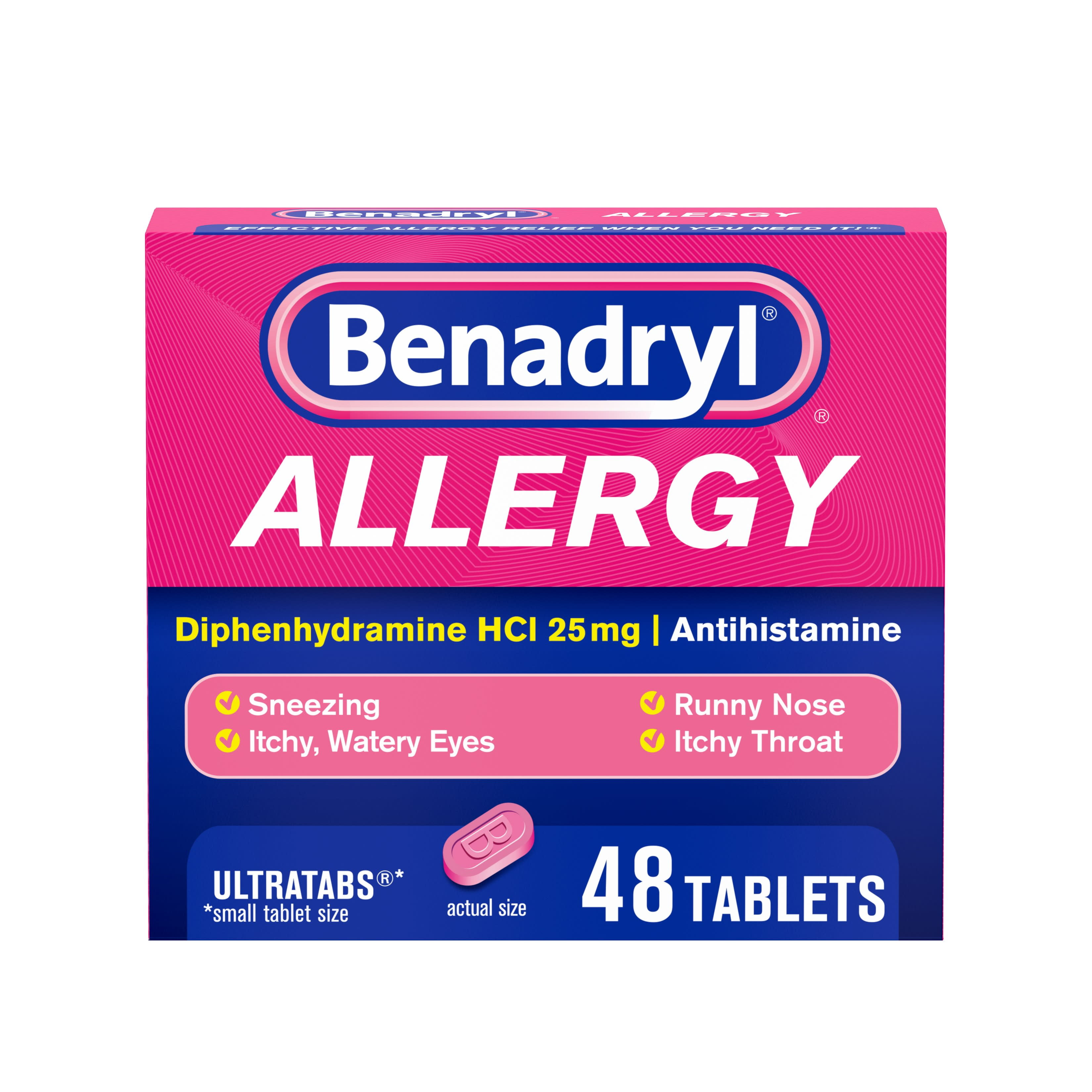
Benadryl (diphenhydramine) is an antihistamine primarily used to treat allergy symptoms like itching, sneezing, and runny nose. It works by blocking histamine, a chemical your body produces during an allergic reaction. However, Benadryl also has sedative effects, which is why it can make you feel drowsy. This sedative effect is the main reason people sometimes consider it for anxiety.
So, does it really help with panic attacks? The short answer is that while Benadrylmightoffer some mild, temporary relief due to its sedative properties,it's not a recommended or effective treatment for panic attacks. There's no evidence to suggest that Benadryl directly addresses the underlying causes of panic or anxiety. Its effect is more akin to masking symptoms temporarily.
Furthermore, relying on Benadryl for panic attacks can be problematic because: It doesn't address the root cause: Panic attacks are often linked to underlying anxiety disorders or other mental health conditions. Benadryl only offers a temporary fix without addressing the bigger picture. It can have side effects: Drowsiness is a common side effect, but others include dry mouth, blurred vision, constipation, and difficulty urinating. In some cases, it can cause paradoxical excitation (the opposite of sedation), leading to increased anxiety and restlessness. It can interact with other medications: Benadryl can interact with other medications, including antidepressants, sedatives, and alcohol, potentially leading to dangerous side effects. Tolerance can develop: With regular use, your body can develop a tolerance to Benadryl, meaning you'll need higher doses to achieve the same effect, increasing the risk of side effects.
Is there a better alternative to Benadryl for Panic Attacks?
Yes! Several evidence-based treatments can effectively manage panic attacks and anxiety in the long term, which we will discuss further below.
What Causes Panic Attacks? Exploring the Root
Understanding the causes of panic attacks is crucial for effective management. Panic attacks can stem from various factors, including: Anxiety Disorders: Panic disorder, generalized anxiety disorder (GAD), social anxiety disorder, and other anxiety disorders are strongly associated with panic attacks. Stress: Major life stressors, such as job loss, relationship problems, or financial difficulties, can trigger panic attacks. Medical Conditions: Certain medical conditions, such as hyperthyroidism, heart problems, and respiratory illnesses, can mimic the symptoms of a panic attack. It is important to rule these out with your doctor. Substance Use: Alcohol, caffeine, and recreational drugs can trigger or worsen panic attacks. Withdrawal from certain substances can also be a trigger. Trauma: Past traumatic experiences, such as abuse, neglect, or accidents, can increase the risk of panic attacks, often linked to post-traumatic stress disorder (PTSD). Genetics: There's evidence to suggest that genetics play a role in the development of panic disorder. If you have a family history of anxiety or panic attacks, you may be more likely to experience them yourself. Perimenopause/Menopause:Hormonal fluctuations during perimenopause and menopause can trigger anxiety and panic attacks in some women.
Less Common Triggers of Panic Attacks
Caffeine Overload: Excessive caffeine intake can lead to anxiety and panic-like symptoms. Dehydration: Dehydration can cause physical symptoms like dizziness and lightheadedness, which can trigger a panic attack in susceptible individuals. Hypoglycemia (Low Blood Sugar): Low blood sugar levels can cause anxiety, shakiness, and confusion, potentially triggering a panic attack. Weed (Marijuana): While some people use marijuana to relax, it can trigger anxiety and panic attacks in others, especially those prone to anxiety. Sleep Deprivation:Lack of sleep can disrupt your nervous system and make you more vulnerable to anxiety and panic.
Risks and Misconceptions About Panic Attacks
It's essential to dispel some common misconceptions about panic attacks to reduce fear and stigma: Misconception: Panic attacks are life-threatening. While the symptoms can be incredibly frightening, panic attacks are not physically dangerous. They will not cause a heart attack or stroke. Misconception: Panic attacks mean you're going crazy. Panic attacks are a symptom of an underlying anxiety disorder or other mental health condition. They do not indicate insanity or a loss of control. Misconception: You can faint during a panic attack. Fainting during a panic attack is rare. While you may feel dizzy or lightheaded, your body's natural stress response usually prevents fainting. However, hyperventilation (rapid, shallow breathing) can sometimes lead to a temporary drop in blood pressure, which could cause lightheadedness or near-fainting.
When is a Panic Attack a Medical Emergency?
While panic attacks themselves aren't life-threatening, certain symptoms should prompt you to seek immediate medical attention: Chest pain or discomfort: Especially if you have a history of heart problems. Shortness of breath: Severe difficulty breathing. Loss of consciousness: Actual fainting or loss of awareness. Severe headache: Especially if it's sudden and intense. High blood pressure:Significantly elevated blood pressure readings.
These symptoms could indicate a more serious medical condition, such as a heart attack or stroke.
Effective Coping and Management Strategies for Panic Attacks
While Benadryl isn't a suitable long-term solution, numerous effective strategies can help you manage panic attacks and reduce their frequency:Immediate Calming Strategies:
Breathing Exercises: Deep, slow breathing can help calm your nervous system. Try the 4-7-8 technique: inhale for 4 seconds, hold for 7 seconds, and exhale for 8 seconds. Grounding Techniques: Grounding techniques help bring you back to the present moment. Try focusing on your senses: What do you see, hear, smell, taste, and feel? Visualization: Imagine yourself in a safe, calming place. Focus on the details of your surroundings, such as the colors, sounds, and smells. Cold Water: Splashing cold water on your face or holding an ice pack can stimulate the vagus nerve, which helps calm your nervous system. Mantras or Affirmations: Repeat a calming phrase to yourself, such as "This will pass" or "I am safe." Prayer (if relevant): If you are a religious person, prayer can provide comfort and a sense of connection.
Long-Term Management Strategies
Therapy: Cognitive Behavioral Therapy (CBT) and Exposure Therapy are highly effective for treating panic disorder. CBT helps you identify and change negative thought patterns, while exposure therapy gradually exposes you to feared situations to reduce anxiety. Medication:
SSRIs (Selective Serotonin Reuptake Inhibitors): These antidepressants, such as sertraline (Zoloft) and paroxetine (Paxil), are often the first-line treatment for panic disorder.
SNRIs (Serotonin-Norepinephrine Reuptake Inhibitors): These antidepressants, such as venlafaxine (Effexor), can also be effective.
Benzodiazepines: Medications like alprazolam (Xanax) and lorazepam (Ativan) can provide rapid relief from panic attacks, but they are typically used short-term due to the risk of dependence and withdrawal.
Beta-Blockers: Medications like propranolol (Inderal) can help reduce the physical symptoms of anxiety, such as rapid heart rate and trembling.
Hydroxyzine (Atarax, Vistaril): This is an antihistamine sometimes prescribedoff-labelfor anxiety due to its sedative effects. Unlike Benadryl, it is prescribed by a doctor and used under medical supervision. It is important to note it has limited evidence for panic attacks and is not a first-line treatment.
Lifestyle Changes:
Regular Exercise: Physical activity can help reduce anxiety and improve mood.
Sufficient Sleep: Aim for 7-9 hours of quality sleep per night.
Healthy Diet: Eat a balanced diet and avoid processed foods, sugary drinks, and excessive caffeine.
Hydration: Drink plenty of water throughout the day.
Trigger Identification and Avoidance: Identify your triggers and try to avoid or manage them. Stress Management Techniques:
Meditation: Regular meditation can help calm your mind and reduce anxiety.
Yoga: Yoga combines physical postures, breathing exercises, and meditation to promote relaxation.
Mindfulness: Practice being present in the moment and accepting your thoughts and feelings without judgment.
Alternative and Supportive Practices
EMDR (Eye Movement Desensitization and Reprocessing): A type of psychotherapy that can help process traumatic memories and reduce anxiety. Hypnosis: Hypnosis can help you access your subconscious mind and change negative thought patterns. Music Therapy: Listening to calming music can help reduce anxiety and promote relaxation. Faith-Based Coping (Bible Verses, Prayer): For religious individuals, faith-based coping mechanisms can provide comfort and strength.
Medical and Safety Guidance: When to Seek Professional Help
While self-help strategies can be helpful, it's essential to seek professional help if: Panic attacks are frequent and severe. Panic attacks are interfering with your daily life. You have suicidal thoughts. You have other mental health conditions, such as depression or PTSD. You have underlying medical conditions that may be contributing to your anxiety. You are pregnant or breastfeeding.
A doctor or therapist can assess your situation, provide a diagnosis, and recommend appropriate treatment options.
(ICD-10 Coding Context): Panic disorder is typically coded under ICD-10 as F41.0 (Panic disorder [episodic paroxysmal anxiety]).
Frequently Asked Questions About Panic Attacks and Benadryl
Here are some common questions related to panic attacks and the use of Benadryl: Can Benadryl make a panic attack worse? While unlikely, Benadryl's side effects, such as dizziness or confusion, could potentially exacerbate anxiety in some individuals. Paradoxical excitation, though rare, could also increase anxiety. Is it possible to mistake a panic attack for a heart attack? Yes, the symptoms of a panic attack, such as chest pain, shortness of breath, and rapid heart rate, can mimic those of a heart attack. If you're unsure, it's always best to seek immediate medical attention. Why do I experience tingling sensations during a panic attack? Tingling sensations (paresthesia) are a common symptom of panic attacks, caused by hyperventilation and changes in blood flow. How long does it typically take to recover from a panic attack? Panic attacks usually peak within 10 minutes and then gradually subside. However, the after-effects, such as fatigue and anxiety, can last for several hours. Are there any natural remedies that can help with panic attacks? Breathing exercises, meditation, yoga, and regular exercise can help reduce anxiety and the frequency of panic attacks. However, these should be used in conjunction with, and not as a replacement for, professional medical advice. Can anxiety truly make you feel like you are dying? Yes, the intense fear and physical symptoms of a panic attack can make you feel like you are dying. However, it's important to remember that panic attacks are not physically dangerous. How can I support someone who is having a panic attack? Stay calm, reassure them that they are safe, encourage them to breathe deeply, and help them focus on the present moment.
Conclusion: Finding Real Relief from Panic Attacks
While Benadryl might offer some temporary sedative effects, it's not a recommended or effective treatment for panic attacks. It doesn't address the underlying causes of anxiety and can have unwanted side effects. The good news is that numerous evidence-based treatments, such as therapy, medication, and lifestyle changes, can effectively manage panic attacks and improve your overall well-being. If panic attacks are interfering with your daily life, don't hesitate to seek professional help. Remember, you're not alone, and with the right support, you can overcome anxiety and regain control of your life. Take that first step towards feeling better – your mental health is worth it.