
Anxiety Attack vs. Heart Attack: Spotting the Difference and Staying Safe
Experiencing chest pain, shortness of breath, and a racing heart can be incredibly frightening. When these symptoms arise suddenly, it’s natural to wonder if you’re having an anxiety attack or a heart attack. The overlapping symptoms can make it difficult to distinguish between the two, leading to confusion and increased anxiety. This article provides a comprehensive guide to understanding the key differences between an anxiety attack and a heart attack, helping you recognize the symptoms, manage your anxiety, and know when to seek immediate medical attention. We’ll explore the causes, risks, and coping strategies, all based on evidence-based information to empower you to take control of your health.
Understanding the Differences: Anxiety Attack vs. Heart Attack
Both anxiety attacks (often called panic attacks) and heart attacks can cause intense physical symptoms, but they stem from different underlying causes. An anxiety attack is a sudden surge of overwhelming fear or discomfort that peaks within minutes. A heart attack, on the other hand, is a medical emergency that occurs when blood flow to the heart is blocked. Recognizing the subtle nuances in symptoms can be crucial for determining the appropriate course of action.
Here's a quick overview of the key differences
Chest Pain: In a heart attack, chest pain is often described as a crushing, squeezing, or heavy pressure. It may radiate to the left arm, jaw, neck, or back. In an anxiety attack, chest pain is more likely to be sharp, stabbing, or tingling. Breathing: Shortness of breath is common in both, but with a heart attack, it’s often accompanied by a feeling of being winded and unable to catch your breath. During an anxiety attack, you might experience rapid, shallow breathing (hyperventilation). Heart Rate: Both conditions can cause a rapid heart rate (palpitations). However, with a heart attack, the rhythm may be irregular. Sweating: Both can cause sweating, but cold sweats are more typical during a heart attack. Nausea/Vomiting: Nausea and vomiting are more common during a heart attack, especially in women. Feeling of Doom: A sense of impending doom or detachment from reality is more characteristic of an anxiety attack. Triggers:Anxiety attacks are often triggered by stress, trauma, or phobias. Heart attacks are usually caused by underlying heart disease.
What is an Anxiety Attack, Really?
An anxiety attack, also known as a panic attack, is a sudden episode of intense fear or discomfort that develops abruptly and reaches a peak within minutes. It's more than just feeling anxious; it's an overwhelming physical and emotional experience.
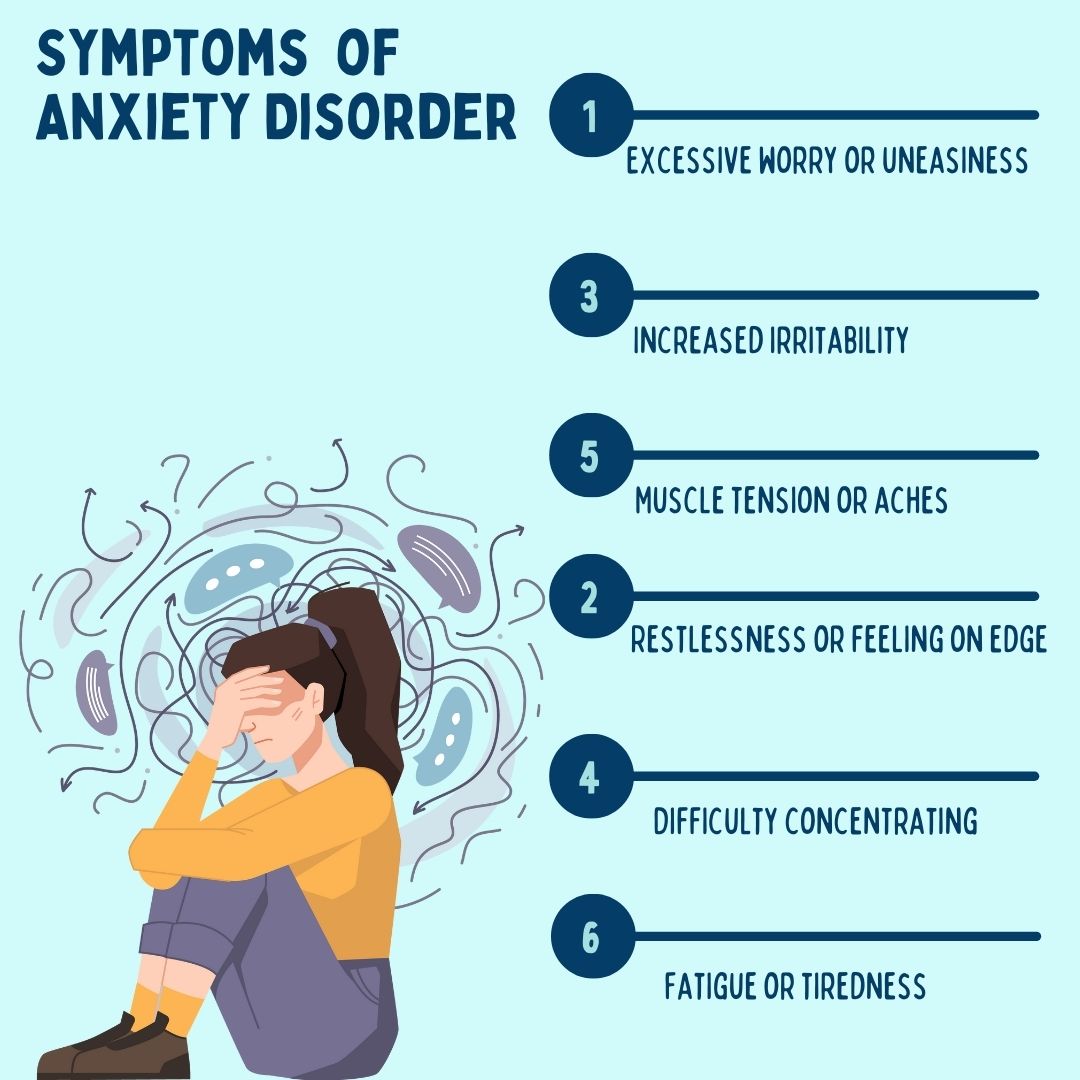
Here are some common symptoms of an anxiety attack
Rapid heart rate or palpitations
Sweating
Trembling or shaking
Shortness of breath or feeling of being smothered
Chest pain or discomfort
Nausea or abdominal distress
Feeling dizzy, unsteady, lightheaded, or faint
Chills or heat sensations
Numbness or tingling (paresthesia)
Feeling detached from reality (derealization) or oneself (depersonalization)
Fear of losing control or going crazy
Fear of dying
Causes and Triggers of Anxiety Attacks
Anxiety attacks can be triggered by a variety of factors, both internal and external. Understanding these triggers can help you manage your anxiety and potentially prevent future attacks.
Stress: Significant life events, work pressures, relationship problems, or financial difficulties can all contribute to anxiety. Trauma: Past traumatic experiences can trigger anxiety attacks, particularly if they involve situations similar to the original trauma. Phobias: Specific phobias, such as fear of heights, enclosed spaces, or public speaking, can trigger intense anxiety. Medical Conditions: Certain medical conditions, like hyperthyroidism, can mimic the symptoms of anxiety. Substance Use: Alcohol, caffeine, and certain drugs can trigger or worsen anxiety symptoms. Mental Health Disorders: Anxiety disorders, panic disorder, PTSD, OCD, and other mental health conditions are often associated with anxiety attacks. Perimenopause and Menopause:Hormonal fluctuations during these phases can contribute to increased anxiety and panic.
Less Common or Misunderstood Triggers
Weed: While some people use cannabis to relax, it can trigger anxiety and panic attacks in others, especially with high-THC strains. Caffeine: Excessive caffeine intake can stimulate the nervous system and lead to anxiety symptoms. Dehydration: Dehydration can cause dizziness, fatigue, and a rapid heart rate, which can exacerbate anxiety. Blood Sugar Imbalances: Low blood sugar (hypoglycemia) can trigger anxiety-like symptoms.
Anxiety During Pregnancy
Pregnancy can be a time of immense joy, but also significant stress and anxiety. Hormonal changes, physical discomfort, and concerns about the baby's health can all contribute to anxiety attacks. It's crucial for pregnant women experiencing anxiety to seek support from their healthcare providers.
Risks and Misconceptions About Anxiety and Heart Attacks
It's essential to dispel common myths and understand the real risks associated with both anxiety and heart attacks.
Myth: Panic attacks can cause heart attacks.
Fact: While panic attacks can mimic heart attack symptoms, they donotcause heart attacks. However, the stress of frequent and severe anxiety attacks can contribute to overall cardiovascular strain over time.
Misconception: If I’ve had a panic attack, I’ll definitely know the difference next time.
Fact: Symptoms can vary each time, and the fear can be just as intense, even if you’ve experienced them before. Never hesitate to seek medical attention if you are unsure.
When is Fainting a Concern?
While itispossible to faint during an anxiety attack, it's not very common. Fainting is usually caused by a sudden drop in blood pressure. If you experience frequent fainting spells, especially if accompanied by chest pain or irregular heartbeats, consult a doctor to rule out underlying medical conditions.
Coping and Management Strategies for Anxiety Attacks
There are several effective strategies for managing anxiety attacks, both in the moment and in the long term.
Immediate Calming Strategies
Breathing Exercises: Practice deep, slow breathing techniques to regulate your heart rate and calm your nervous system. Try the 4-7-8 technique: inhale for 4 seconds, hold for 7 seconds, and exhale slowly for 8 seconds. Grounding Techniques: Use your senses to connect with your surroundings. Focus on what you can see, hear, smell, touch, and taste. Name five things you see, four things you can touch, three things you hear, two things you smell, and one thing you can taste. Visualization: Imagine a peaceful and calming scene, such as a beach, a forest, or a quiet meadow. Cold Water: Splash cold water on your face or hold an ice pack to your forehead to stimulate the vagus nerve and slow your heart rate. Mantras: Repeat a calming phrase or affirmation to yourself, such as "This will pass," or "I am safe." Prayer: If faith is important to you, engaging in prayer can provide comfort and a sense of peace.
Long-Term Strategies
Therapy: Cognitive Behavioral Therapy (CBT) and other forms of therapy can help you identify and change negative thought patterns and develop coping skills. Medication: Antidepressants (SSRIs) and anti-anxiety medications (like benzodiazepines, used cautiously) can help manage anxiety symptoms. Beta-blockers can help control physical symptoms like rapid heart rate. Hydroxyzine is another option that can help reduce anxiety without the risk of addiction. Always discuss medication options with your doctor. Lifestyle Changes:
Sleep: Aim for 7-9 hours of quality sleep per night.
Hydration: Drink plenty of water throughout the day.
Healthy Diet: Eat a balanced diet and avoid processed foods, excessive sugar, and caffeine.
Exercise: Regular physical activity can help reduce stress and improve mood.
Avoid Triggers: Identify and avoid substances, situations, or people that trigger your anxiety.
Alternative and Supportive Practices
Meditation and Mindfulness: Practices like mindfulness meditation can help you become more aware of your thoughts and feelings and reduce reactivity. Music Therapy: Listening to calming music can help reduce anxiety and promote relaxation. Faith-Based Coping: Reading scriptures, praying, or attending religious services can provide comfort and strength. EMDR (Eye Movement Desensitization and Reprocessing): A type of therapy that can help process traumatic memories. Hypnosis:Hypnosis can help you access your subconscious mind and change negative thought patterns.
Medical and Safety Guidance: When to Seek Help
Knowing when to seek medical attention is crucial. Don't hesitate to err on the side of caution.
When to Seek Urgent Care
Chest Pain: Especially if it's crushing, squeezing, or radiating to the arm, jaw, or back. Prolonged Fainting: Especially if you have a history of heart problems. Severe Shortness of Breath: Difficulty breathing that doesn't improve with relaxation techniques. Irregular Heartbeat: Especially if accompanied by dizziness or fainting. High Blood Pressure: Extremely high blood pressure readings accompanied by other symptoms. New or Unexplained Symptoms:Any symptoms that are significantly different from your usual anxiety attacks.
When to Talk to a Doctor
Frequent Anxiety Attacks: If you're experiencing anxiety attacks frequently, even if they are mild. Anxiety Attacks Interfering with Daily Life: If anxiety is impacting your work, relationships, or ability to function. During Pregnancy: If you're experiencing anxiety during pregnancy, it's important to consult with your doctor. Comorbid Conditions: If you have other mental health conditions, such as PTSD, OCD, bipolar disorder, or depression. Uncertainty:If you're unsure whether you're experiencing anxiety or a medical condition.
Special Cases of Anxiety
Anxiety can manifest differently across various demographics and situations.
Anxiety in Children and Teens
Children and teens can also experience anxiety attacks. Symptoms may include irritability, difficulty concentrating, and physical complaints like stomachaches. It's important to create a supportive environment and seek professional help if needed.
Nocturnal Panic Attacks
These occur during sleep and can be particularly frightening. They often involve waking up suddenly with a racing heart, sweating, and a feeling of panic.
Health Anxiety
This involves excessive worry about having a serious illness, often triggered by normal bodily sensations.
Claustrophobia and Anxiety
Claustrophobia, the fear of enclosed spaces, can trigger anxiety attacks during situations like MRIs or driving.
FAQs: Anxiety Attack vs. Heart Attack
Can you really faint from a panic attack?
While less common, it's possible to faint during a panic attack. This typically results from hyperventilation, which can lead to a temporary drop in blood pressure and subsequent fainting.
How do I tell the difference between a panic attack and a heart attack?
While the symptoms can overlap, heart attack chest pain is usually described as crushing or squeezing, radiating to the arm or jaw, and accompanied by cold sweats and nausea. Panic attack chest pain is more often sharp, stabbing, or tingling, accompanied by a sense of doom. If in doubt, seek immediate medical attention.
Why do I feel tingling or pins and needles during anxiety?
Tingling or pins and needles (paresthesia) during anxiety are caused by hyperventilation. Rapid breathing reduces carbon dioxide levels in the blood, which can affect nerve function and cause these sensations.
How long does it take to recover from a panic attack?
The peak of a panic attack typically lasts for a few minutes, but the after-effects, such as fatigue, anxiety, and emotional exhaustion, can linger for hours or even a day.
Can prayer or meditation stop panic attacks?
While prayer and meditation may not stop a panic attack in its tracks every time, they are valuable tools for managing anxiety and promoting relaxation. They can help reduce overall stress levels and build resilience, making you less vulnerable to future attacks.
Can anxiety mimic heart problems?
Yes, anxiety can cause a range of physical symptoms that mimic heart problems, including chest pain, palpitations, shortness of breath, and dizziness. It's essential to get these symptoms evaluated by a doctor to rule out any underlying heart conditions.
Is it possible to have a panic attack without knowing it?
While less common, it is possible to experience a panic attack with primarily physical symptoms, making it difficult to recognize as anxiety-related. This is known as a non-cognitive panic attack and often involves symptoms like chest pain, dizziness, or shortness of breath, without the typical sense of fear or dread.
Conclusion: Empowering Yourself with Knowledge and Support
Understanding the difference between an anxiety attack and a heart attack can be life-saving. By knowing the key symptoms, causes, and management strategies, you can empower yourself to take control of your health and well-being. Remember, while anxiety attacks can be incredibly distressing, they are not life-threatening. If you're experiencing frequent or severe anxiety attacks that are interfering with your daily life, don't hesitate to seek professional help. There are effective treatments available to help you manage your anxiety and live a fulfilling life. You are not alone, and help is available.