
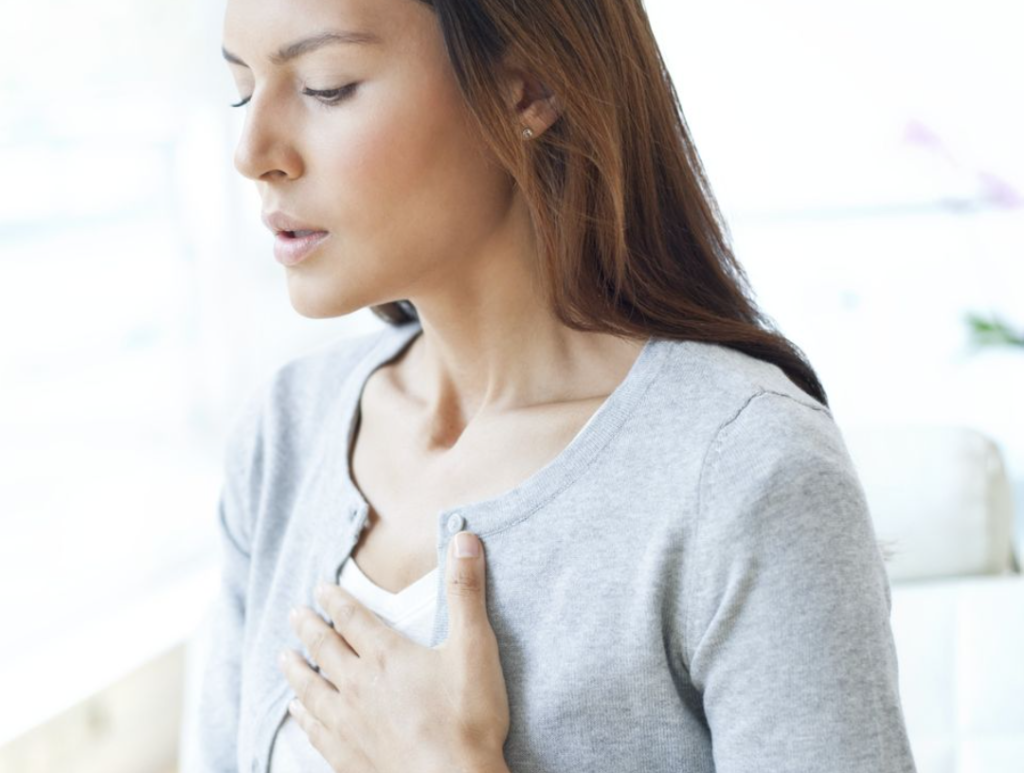
How to Tell the Difference Between a Panic Attack and a Heart Attack: Symptoms, Risks & What to Do
Experiencing sudden chest pain, shortness of breath, and a racing heart can be terrifying. Naturally, you might wonder if you're having a heart attack. However, these symptoms can also be hallmarks of a panic attack. While both conditions share similarities, understanding the key differences between a panic attack and a heart attack is crucial for getting the right help and peace of mind. This article will provide a clear and comprehensive guide to help you differentiate between these two alarming experiences, offering practical advice based on evidence-based information.
Understanding the Differences: Panic Attack vs. Heart Attack
Both panic attacks and heart attacks can cause significant distress and share overlapping symptoms, making it challenging to distinguish between them. Understanding the nuances of each condition is the first step in ensuring appropriate action.
Panic Attack: A panic attack is a sudden episode of intense fear or discomfort that peaks within minutes. It's often triggered by stress, anxiety, or even seemingly out of the blue. While incredibly uncomfortable, a panic attack is not life-threatening.
Heart Attack: A heart attack, or myocardial infarction, occurs when blood flow to the heart muscle is blocked, often by a blood clot. This blockage deprives the heart of oxygen, and if left untreated, can cause permanent damage or death.
Here's a quick comparison of common signs and symptoms:Panic Attack Symptoms:
Sudden onset of intense fear or anxiety Rapid heartbeat (palpitations) Shortness of breath or feeling of choking Chest pain or discomfort Sweating, trembling, or shaking Dizziness, lightheadedness, or feeling faint Numbness or tingling sensations Feeling detached from reality (derealization) or oneself (depersonalization) Fear of losing control or dying Heart Attack Symptoms:
Chest pain or discomfort (often described as pressure, squeezing, or fullness) Pain radiating to the left arm, shoulder, neck, jaw, or back Shortness of breath Sweating or cold sweats Nausea or vomiting Lightheadedness or dizziness Fatigue Indigestion or heartburn-like symptomsImportant Differences to Note:
Onset: Panic attacks often reach their peak intensity within minutes, whereas heart attack symptoms may build gradually. Pain Characteristics: Panic attack-related chest pain tends to be sharp or stabbing, while heart attack pain is typically described as crushing pressure or tightness. Emotional State:Panic attacks are strongly linked to feelings of intense fear, anxiety, or a sense of impending doom, which are less prominent in heart attacks.
Causes and Triggers: Why Do Panic Attacks Happen?
Panic attacks can be triggered by a variety of factors, and understanding these can help you manage and potentially prevent them.
Common Panic Attack Triggers
Stressful Life Events: Major life changes, such as job loss, relationship problems, or financial difficulties. Anxiety Disorders: Generalized anxiety disorder (GAD), social anxiety disorder, and panic disorder itself. Post-Traumatic Stress Disorder (PTSD): Triggering memories or situations can lead to panic attacks. Obsessive-Compulsive Disorder (OCD): The anxiety associated with obsessions and compulsions can trigger panic. Medical Conditions: Certain conditions like hyperthyroidism or asthma can mimic panic attack symptoms. Substance Use: Alcohol, caffeine, nicotine, and certain drugs can induce panic attacks. Perimenopause & Menopause:Hormonal fluctuations can increase anxiety and panic symptoms in some women.
Less Obvious or Misunderstood Triggers
Dehydration: Even mild dehydration can exacerbate anxiety symptoms. Low Blood Sugar: Hypoglycemia can trigger a panic attack-like response. Caffeine Overload: Excessive caffeine intake can stimulate the nervous system and induce anxiety. Withdrawal from Substances: Stopping certain medications or substances can cause withdrawal symptoms that include panic attacks. Weed (Marijuana):While some people use cannabis for anxiety, it can paradoxically trigger panic attacks in others, especially with high THC content.
Panic Attacks During Pregnancy: Pregnancy can be a time of heightened emotions and hormonal changes, making some women more susceptible to panic attacks. It’s essential to seek medical advice if you experience panic attacks during pregnancy, as certain medications may not be safe.
Risks and Misconceptions: Separating Fact from Fiction
It's important to dispel common myths surrounding panic attacks and understand the real risks involved.
Common Misconceptions
Myth: Panic attacks can cause heart attacks.
Fact: Panic attacks do not cause heart attacks. While the symptoms can feel similar, they don't damage the heart. However, the stress of frequent panic attacks may indirectly contribute to long-term cardiovascular issues. Myth: Panic attacks are a sign of weakness.
Fact: Panic attacks are a result of complex biological and psychological factors, not a lack of willpower. Myth: You can die from a panic attack.
Fact: Panic attacks are not life-threatening. Although the symptoms are intense and distressing, they will eventually subside.
Can You Faint From a Panic Attack? Fainting, or syncope, is rare during a panic attack. It's more common to experience lightheadedness or a feeling of faintness. However, hyperventilation (rapid, shallow breathing) during a panic attack can sometimes lead to a drop in blood pressure, which could potentially cause fainting in rare cases.
When to Worry: While panic attacks themselves aren't physically dangerous, they can significantly impact your quality of life. If you experience frequent panic attacks, it's important to seek professional help to address the underlying anxiety and develop coping strategies.
Coping and Management Strategies: Finding Relief and Long-Term Solutions
There are several strategies you can use to manage panic attacks, both in the moment and over the long term.
Immediate Calming Techniques
Deep Breathing Exercises: Slow, deep breaths can help regulate your heart rate and calm your nervous system. Try the 4-7-8 technique: inhale for 4 seconds, hold for 7 seconds, and exhale for 8 seconds. Grounding Techniques: Focus on your senses to anchor yourself in the present moment. Name five things you can see, four things you can touch, three things you can hear, two things you can smell, and one thing you can taste. Visualization: Imagine a peaceful place or scenario that brings you comfort. Cold Water Splash: Splashing cold water on your face can activate the vagus nerve and help slow your heart rate. Positive Affirmations: Repeat calming phrases to yourself, such as "This will pass," or "I am safe." Mindfulness: Pay attention to your thoughts and feelings without judgment.
Long-Term Strategies
Therapy: Cognitive Behavioral Therapy (CBT) and Exposure Therapy are effective treatments for panic disorder. CBT helps you identify and change negative thought patterns, while exposure therapy gradually exposes you to anxiety-provoking situations in a safe environment. Medication: Antidepressants (SSRIs) and anti-anxiety medications (such as benzodiazepines or beta-blockers) can help manage panic attacks.Consult with a doctor to determine the best medication for you. Hydroxyzine is another option to explore with your doctor as it's an antihistamine with anti-anxiety properties and can be helpful for acute anxiety and panic. Lifestyle Changes:Regular exercise, a balanced diet, and adequate sleep can significantly reduce anxiety levels. Avoid caffeine, alcohol, and other substances that can trigger panic attacks.
Alternative and Supportive Practices
Meditation: Regular meditation practice can promote relaxation and reduce anxiety. Yoga: Yoga combines physical postures, breathing techniques, and meditation to promote overall well-being. Faith-Based Coping: Prayer, reading religious texts, or connecting with a faith community can provide comfort and support. EMDR (Eye Movement Desensitization and Reprocessing): This therapy can be helpful for processing traumatic experiences that contribute to panic attacks. Hypnosis: Hypnosis can help you access and change subconscious patterns of thought and behavior. Music Therapy: Listening to calming music can help reduce anxiety and promote relaxation.
Medical and Safety Guidance: When to Seek Help
Knowing when to seek medical attention is crucial for both panic attacks and potential heart problems.
When to Seek Urgent Care
Severe chest pain or discomfort, especially if it radiates to the arm, shoulder, neck, or jaw. Shortness of breath accompanied by chest pain. Sudden dizziness, lightheadedness, or loss of consciousness. Prolonged fainting or seizures. Irregular heartbeat accompanied by other symptoms. High blood pressure accompanied by severe headache or vision changes. If you are unsure whether it is a panic attack or a heart attack, err on the side of caution and call emergency services (911 in the US). When to Talk to a Doctor:
Frequent panic attacks that interfere with your daily life. Panic attacks accompanied by other symptoms, such as depression or suicidal thoughts. Panic attacks that develop during pregnancy or postpartum. If you have underlying medical conditions, such as heart disease, asthma, or diabetes. If you suspect your panic attacks may be related to medication side effects. If you have a history of trauma or abuse. If you have comorbid conditions like PTSD, OCD, or bipolar disorder. ICD-10 Codes: Panic disorder is typically coded as F41.0 in the International Classification of Diseases (ICD-10). This code helps healthcare providers track and diagnose the condition accurately.
FAQs: Your Questions Answered
Can you really faint from a panic attack?
Fainting is uncommon but possible. Hyperventilation can lower blood pressure, potentially leading to fainting in rare cases. Most often, people experience lightheadedness rather than true syncope.
How do I tell the difference between a panic attack and a heart attack?
Panic attacks peak quickly with intense fear and sharp chest pain, while heart attack symptoms often build gradually with crushing chest pressure and pain radiating to other areas.If you're unsure, seek immediate medical attention.
Why do I feel tingling or pins and needles during anxiety?
Hyperventilation during a panic attack can alter blood p H levels, leading to tingling or numbness, especially in the hands and feet.
How long does it take to recover from a panic attack?
Most panic attacks subside within 10-30 minutes. However, lingering anxiety and fatigue can persist for hours afterward.
Can prayer or meditation stop panic attacks?
While not a guaranteed "cure," prayer and meditation can be effective coping mechanisms. They promote relaxation, reduce anxiety, and provide a sense of control, which can help manage panic symptoms.
Can anxiety cause heart palpitations?
Yes, anxiety and stress can trigger heart palpitations, which are sensations of a racing, fluttering, or pounding heart. These palpitations are usually harmless, but it's always best to consult with a doctor to rule out any underlying heart conditions.
What is health anxiety and how does it relate to panic attacks?
Health anxiety, or hypochondria, is excessive worry about having a serious illness. People with health anxiety may misinterpret normal bodily sensations as signs of disease, which can trigger panic attacks. The fear of having a heart attack is a common trigger for panic attacks in individuals with health anxiety.
Conclusion: Finding Hope and Taking Action
Distinguishing between a panic attack and a heart attack can be challenging, but understanding the key differences and recognizing your individual symptoms is essential. Remember that panic attacks, while distressing, are not life-threatening, and effective coping strategies and treatments are available. However, if you experience any doubt about your symptoms, especially if you have risk factors for heart disease, prioritize your safety and seek immediate medical attention.
Don't let anxiety control your life. If panic attacks are interfering with your daily activities, seek professional help from a therapist or psychiatrist. With the right support and strategies, you can regain control over your anxiety and live a fulfilling life. Remember, you are not alone, and help is available.