
Navigating Panic Disorder: Understanding ICD-10 Codes and Finding the Right Support
If you've ever experienced the sudden, overwhelming terror of a panic attack, you know it's more than just feeling anxious. It's a physical and emotional storm that can leave you feeling shaken and vulnerable. Perhaps you've wondered how healthcare professionals document these experiences. Understanding the coding system used for diagnosis, specifically the ICD-10 codes for panic attacks and panic disorders, can be a step toward better understanding your condition and how it’s being addressed by your healthcare team. This article will break down what ICD-10 codes are, how they relate to panic disorders, and most importantly, offer guidance and support on managing panic attacks and disorders effectively. We will provide evidence-based information to empower you on your journey to improved mental well-being.
What are ICD-10 Codes and Why Do They Matter for Panic Disorders?
ICD-10 stands for the International Classification of Diseases, Tenth Revision. It's a standardized system used worldwide by healthcare providers and insurance companies to classify and code diagnoses, symptoms, and procedures. Think of it as a universal language for medical information. In the context of mental health, ICD-10 codes help ensure consistent and accurate documentation of conditions like panic disorder. These codes are essential for: Accurate Diagnosis: Providing a clear and consistent way to identify panic disorder. Treatment Planning: Helping doctors develop the most appropriate treatment strategies based on the specific diagnosis. Insurance Claims: Ensuring that insurance companies can correctly process claims for mental health services. Data Collection: Allowing researchers to track the prevalence and patterns of panic disorders.
For panic disorders, the relevant ICD-10 codes fall primarily under the F41 category, which encompasses anxiety disorders. Here are some key ICD-10 codes associated with panic attacks and panic disorder: F41.0:Panic disorder [episodic paroxysmal anxiety]
F41.00: Panic disorder without agoraphobia
F41.01: Panic disorder with agoraphobia
F41.1: Generalized anxiety disorder F41.9: Anxiety disorder, unspecified
These codes are assigned based on a thorough evaluation of your symptoms and medical history by a qualified mental health professional. Let's delve deeper into what panic disorder actually entails.
Decoding Panic Disorder: Symptoms and Characteristics
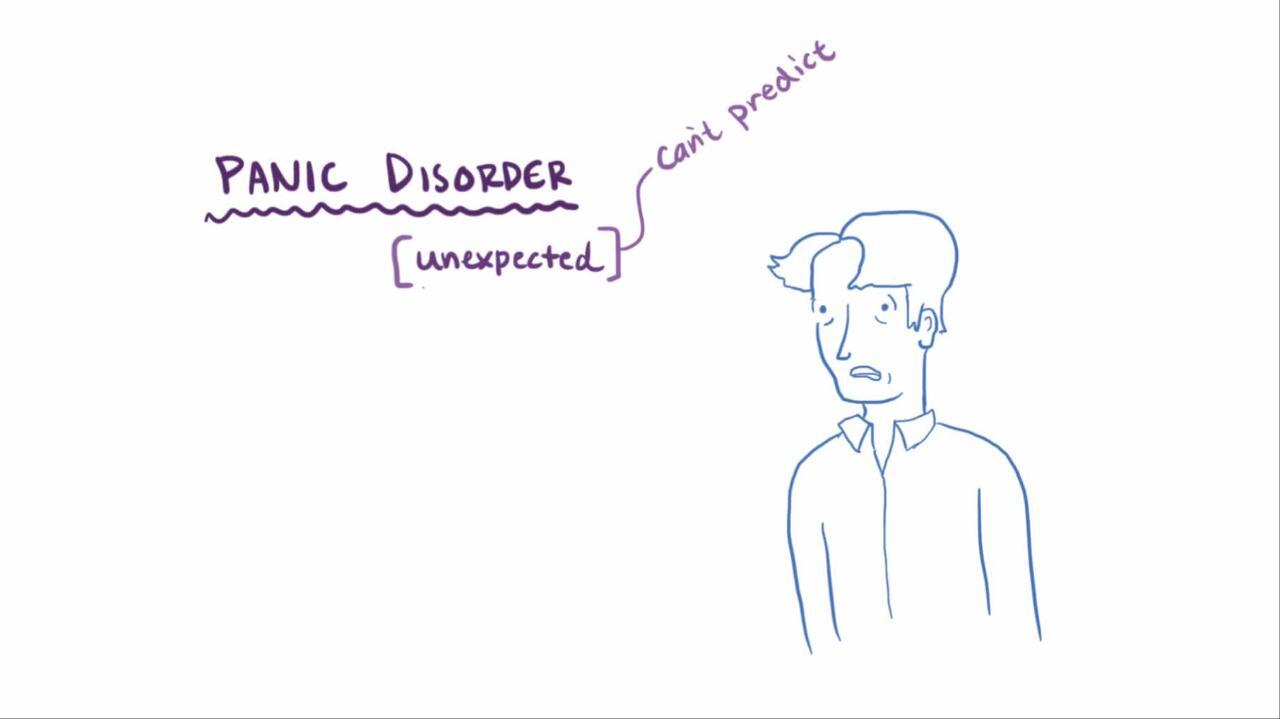
Panic disorder is characterized by recurrent, unexpected panic attacks. These attacks are sudden surges of intense fear or discomfort that peak within minutes. But how do you know if what you're experiencing is a panic attack? Common signs and symptoms include: Pounding heart or accelerated heart rate Sweating Trembling or shaking Shortness of breath or feeling of being smothered Feelings of choking Chest pain or discomfort Nausea or abdominal distress Feeling dizzy, unsteady, lightheaded, or faint Chills or heat sensations Numbness or tingling sensations Derealization (feelings of unreality) or depersonalization (being detached from yourself) Fear of losing control or going crazy Fear of dying
It's important to note that experiencing one or two panic attacks doesn't necessarily mean you have panic disorder. The diagnosis requires recurrent attacks and persistent worry about having more attacks or the consequences of those attacks. This worry often leads to significant changes in behavior, such as avoiding places or situations where attacks have occurred.
Panic Attack vs. Anxiety Attack:What's the Difference?
While the terms are often used interchangeably, there's a distinction. Panic attacks are sudden and intense, often without an obvious trigger. Anxiety attacks, on the other hand, tend to build up gradually in response to a specific stressor. While both can be incredibly distressing, understanding the difference can help you better understand your experiences and seek the right kind of support.
Unpacking the Causes and Triggers of Panic Attacks
What sets off a panic attack? The answer is complex and often unique to the individual. While the exact cause of panic disorder isn't fully understood, several factors can contribute: Genetics: A family history of anxiety disorders or panic disorder increases your risk. Brain Chemistry: Imbalances in neurotransmitters like serotonin and norepinephrine can play a role. Stressful Life Events: Major life transitions, trauma, or significant loss can trigger panic attacks. Temperament: Individuals who are more sensitive, prone to worry, or have a negative outlook may be more susceptible. Learned Behavior:Past experiences with panic attacks can create a cycle of fear and avoidance.
Certain triggers can also increase the likelihood of a panic attack: Caffeine and Alcohol: These substances can stimulate the nervous system and trigger anxiety symptoms. Nicotine: Nicotine is a stimulant that can exacerbate anxiety and trigger panic attacks. Certain Medications: Some medications have side effects that can mimic or worsen anxiety symptoms. Medical Conditions: Conditions like hyperthyroidism or heart arrhythmias can sometimes trigger panic-like symptoms. Dehydration and Low Blood Sugar: These can lead to physical symptoms that are misinterpreted as a panic attack. Hormonal Changes: Fluctuations in hormone levels, especially during pregnancy or perimenopause, can contribute to anxiety.
Panic Attacks and Pregnancy: A Special Consideration
Pregnancy can bring significant hormonal and emotional changes, making women more vulnerable to anxiety and panic attacks. It's crucial to discuss any anxiety symptoms with your healthcare provider during pregnancy. They can help you develop safe and effective coping strategies.
Addressing Common Concerns and Misconceptions About Panic Attacks
It's understandable to have concerns and questions about panic attacks. Let's address some common misconceptions: Myth: Panic attacks are dangerous and can cause heart attacks. Panic attacks are incredibly frightening, but they are not life-threatening and do not cause heart attacks. The symptoms can mimic heart problems, which is why it's always wise to consult a doctor if you have chest pain. Myth: If I have a panic attack, I'm going crazy. Panic attacks are a common and treatable mental health condition. They are not a sign of weakness or insanity. Myth: There's nothing I can do to stop a panic attack. While you can't always prevent a panic attack, there are effective strategies to manage the symptoms and reduce their frequency.
Can Anxiety Cause Fainting?
While it's rare to actually faint from a panic attack, the sensation of feeling faint or lightheaded is very common. This is usually due to hyperventilation (rapid breathing), which can lower the carbon dioxide levels in your blood and cause dizziness. In rare cases, a significant drop in blood pressure during a panic attack might lead to fainting, but this is not the typical experience.
Practical Strategies for Managing Panic Attacks
Living with panic disorder can be challenging, but it's manageable with the right tools and support. Here are some effective coping strategies:Immediate Calming Techniques:
Deep Breathing: Practice slow, deep breaths, inhaling through your nose and exhaling slowly through your mouth. This helps regulate your breathing and calm your nervous system. Grounding Techniques: Focus on your senses. Name five things you can see, four things you can touch, three things you can hear, two things you can smell, and one thing you can taste. This helps bring you back to the present moment. Progressive Muscle Relaxation: Tense and release different muscle groups in your body, starting with your toes and working your way up. This helps reduce physical tension associated with anxiety. Visualization: Imagine a peaceful and calming scene, such as a beach or a forest. Focus on the details of the scene to distract yourself from your anxiety. Cold Water: Splashing cold water on your face or holding an ice pack can stimulate the vagus nerve, which helps slow down your heart rate and calm your nervous system. Mantras: Repeating a calming phrase, such as "This will pass," or "I am safe," can help quiet your racing thoughts.
Long-Term Strategies
Therapy: Cognitive Behavioral Therapy (CBT) is a highly effective treatment for panic disorder. CBT helps you identify and change negative thought patterns and behaviors that contribute to panic attacks. Exposure therapy, a component of CBT, involves gradually exposing yourself to feared situations to reduce anxiety. Medication: Antidepressants, such as SSRIs (selective serotonin reuptake inhibitors), are often prescribed to help regulate brain chemistry and reduce the frequency of panic attacks. Beta-blockers can help manage the physical symptoms of anxiety, such as a racing heart. Benzodiazepines can provide quick relief from acute anxiety, but they are generally not recommended for long-term use due to the risk of dependence. Hydroxyzine, an antihistamine, can also be used for its calming effects. Lifestyle Changes:
Regular Exercise: Exercise can help reduce stress and improve overall mood.
Adequate Sleep: Aim for 7-9 hours of sleep per night. Lack of sleep can exacerbate anxiety symptoms.
Healthy Diet: Eat a balanced diet and avoid processed foods, sugary drinks, and excessive caffeine.
Hydration: Dehydration can worsen anxiety symptoms. Drink plenty of water throughout the day.
Avoid Triggers: Identify and avoid substances or situations that trigger your panic attacks.
Alternative and Supportive Practices
Meditation and Mindfulness: These practices can help you become more aware of your thoughts and feelings and learn to manage anxiety in the moment. Yoga and Tai Chi: These practices combine physical movement with mindfulness and relaxation. Music Therapy: Listening to calming music can help reduce anxiety and promote relaxation. Faith-Based Coping: Prayer, reading religious texts, or connecting with your faith community can provide comfort and support. EMDR (Eye Movement Desensitization and Reprocessing): This therapy can be helpful for processing traumatic experiences that may be contributing to panic disorder. Hypnosis: Hypnosis can help you access your subconscious mind and learn to manage anxiety and panic.
Seeking Medical and Safety Guidance
While many panic attacks can be managed with self-help strategies, it's crucial to know when to seek professional help.
When to Seek Urgent Care
Chest pain or pressure, especially if accompanied by shortness of breath, sweating, or nausea. These symptoms could indicate a heart attack. Prolonged fainting or loss of consciousness. Severe difficulty breathing. Sudden, severe headache. High blood pressure (systolic over 180 or diastolic over 120) with anxiety symptoms.When to Talk to a Doctor:
Frequent panic attacks that are interfering with your daily life. Persistent worry about having more panic attacks. Changes in behavior related to fear of panic attacks (e.g., avoiding certain places or activities). Co-occurring mental health conditions, such as depression, PTSD, OCD, or bipolar disorder. Panic attacks during pregnancy or breastfeeding. Suspected medication side effects.
Frequently Asked Questions (FAQs) About Panic Attacks
1. How do I know if I'm having a panic attack vs. a heart attack?
It can be difficult to tell the difference, especially during your first panic attack. Heart attack symptoms often include crushing chest pain that radiates to the arm, jaw, or back, accompanied by shortness of breath, sweating, and nausea. Panic attacks can cause chest pain, but it's usually more of a stabbing or tingling sensation. If you're unsure, seek immediate medical attention.
2. Why do I feel tingling or pins and needles during a panic attack?
This is a common symptom caused by hyperventilation. Rapid breathing can lower the carbon dioxide levels in your blood, leading to tingling sensations, especially in your hands and feet.
3. How long does it take to recover from a panic attack?
The peak of a panic attack usually lasts for about 10 minutes, but the aftereffects, such as fatigue and anxiety, can linger for hours.
4. Can meditation or prayer stop panic attacks?
While meditation and prayer may not completely stop panic attacks, they can be valuable tools for managing anxiety and promoting relaxation. Regular practice can help reduce the frequency and intensity of panic attacks over time.
5. Can panic attacks cause long-term health problems?
Panic attacks themselves do not cause long-term physical health problems. However, chronic anxiety and panic disorder can contribute to other mental health issues and may indirectly affect physical health through stress-related mechanisms.
6. Is it possible to live a normal life with panic disorder?
Absolutely. With appropriate treatment and coping strategies, many people with panic disorder live fulfilling and productive lives.
Conclusion: Embracing Hope and Seeking Support
Understanding ICD-10 codes for panic attacks and disorders can be a valuable step towards better understanding your diagnosis and treatment plan. Remember, you are not alone. Panic disorder is a treatable condition, and many effective strategies are available to help you manage your symptoms and regain control of your life. Don't hesitate to seek professional help if panic attacks are interfering with your daily life. A therapist or psychiatrist can provide guidance, support, and evidence-based treatments to help you on your journey to improved mental well-being. With the right support, you can overcome panic disorder and live a life filled with hope and possibility.