
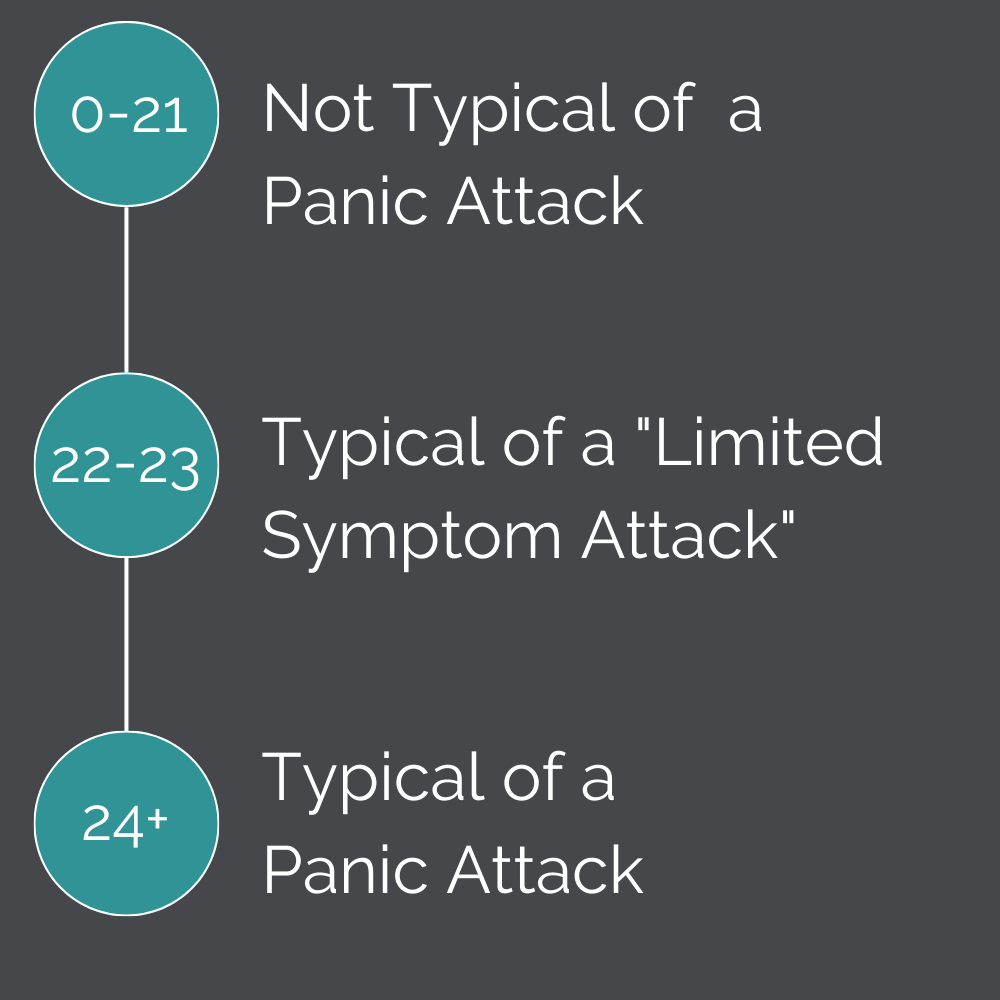
Panic Attack Test: Are You Having One Right Now? A Comprehensive Guide
Feeling overwhelmed and unsure if what you're experiencing is a panic attack? It's a common concern, and understanding the symptoms is the first step towards managing them. This article serves as a "panic attack test," providing a detailed overview of panic attack symptoms, potential causes, effective coping strategies, and when to seek professional help. We'll break down the key signs and offer evidence-based information to help you navigate these challenging moments with confidence. If you suspect you're having a panic attack right now, take a deep breath and read on – you're not alone, and there are ways to feel better.
Understanding Panic Attacks: What Are the Signs?
A panic attack is a sudden episode of intense fear that triggers severe physical reactions when there's no real danger or apparent cause. These attacks can be incredibly frightening, making you feel like you're losing control, having a heart attack, or even dying. While everyone experiences panic attacks differently, some common symptoms include: Heart palpitations: A racing or pounding heart. Sweating: Often excessive and sometimes clammy. Trembling or shaking: Involuntary muscle movements. Shortness of breath or feeling smothered: Difficulty breathing or a sensation of choking. Chest pain or discomfort: Often mistaken for a heart attack. Nausea or abdominal distress: Upset stomach, queasiness. Feeling dizzy, lightheaded, or faint: Loss of balance or a spinning sensation. Chills or heat sensations: Sudden changes in body temperature. Numbness or tingling: Often in the extremities (hands and feet). Derealization or depersonalization: Feeling detached from reality or yourself. Fear of losing control: Feeling like you're going crazy. Fear of dying: A sense of impending doom.
Anxiety Attack vs. Panic Attack: What’s the Difference?
While the terms are often used interchangeably, there's a key distinction. Anxiety attacks are typically triggered by specific stressors and build gradually, while panic attacks come on suddenly and intensely, often without a clear trigger. Think of it this way: anxiety is a constant hum of worry, while a panic attack is a sudden, overwhelming surge of that anxiety.
What Causes Panic Attacks? Exploring Common Triggers
Panic attacks can be triggered by a variety of factors, and understanding these can help you identify potential patterns and develop coping strategies. Some common causes include: Stress: Major life events, work pressure, relationship problems, or financial worries can all contribute to panic attacks. Medical Conditions: Certain health conditions, such as hyperthyroidism, heart problems, and asthma, can sometimes trigger panic attacks. Substance Use: Alcohol, caffeine, and certain drugs (both prescription and recreational) can increase the risk of panic attacks. Withdrawal from these substances can also be a trigger. Pregnancy: Hormonal changes during pregnancy can increase anxiety and the likelihood of panic attacks. Post-Traumatic Stress Disorder (PTSD): Past traumatic experiences can lead to panic attacks when triggered by reminders of the event. Obsessive-Compulsive Disorder (OCD): The anxiety associated with obsessions and compulsions can sometimes manifest as panic attacks. Perimenopause:The hormonal fluctuations during perimenopause can increase anxiety and the frequency of panic attacks in some women.
Less Common or Misunderstood Causes Weed (Marijuana): While some people use cannabis to relax, it can paradoxically trigger anxiety and panic attacks in others, especially with high THC content. Caffeine: Even moderate caffeine consumption can exacerbate anxiety symptoms and increase the likelihood of panic attacks. Dehydration: Dehydration can cause physical symptoms like dizziness and lightheadedness, which can mimic or trigger a panic attack. Blood Sugar Imbalances:Low blood sugar (hypoglycemia) can also lead to physical symptoms that can trigger anxiety and panic.
Panic Attacks During Pregnancy: A Special Consideration
Pregnancy brings about significant hormonal shifts, which can amplify anxiety and increase the risk of panic attacks. It's important to discuss any anxiety or panic symptoms with your healthcare provider during pregnancy, as treatment options may need to be adjusted to ensure the safety of both mother and baby.
Risks and Misconceptions: Separating Fact from Fiction
It's important to address some common misconceptions about panic attacks to alleviate unnecessary fear and anxiety: Myth: Panic attacks are life-threatening. Fact: While the symptoms can feel terrifying, panic attacks are not physically dangerous and will not cause a heart attack or stroke. Myth: You can faint from a panic attack. Fact: While it's rare, itispossible, but highly unlikely. The rapid breathing (hyperventilation) that sometimes accompanies a panic attackcanlead to a drop in blood pressure, which in turncouldcause someone to faint. The feeling of being faint, however, is very common. Myth: Panic attacks mean you're going crazy. Fact: Panic attacks are a symptom of anxiety and are not indicative of mental illness.
Can Anxiety Cause Fainting?
As noted above, while thefeelingof faintness is very common, actually fainting during a panic attack is relatively rare. It's more likely to occur in individuals who hyperventilate severely during an attack, leading to a drop in blood pressure.
Coping and Management Strategies: Finding Relief
There are many effective strategies for managing panic attacks, both in the moment and in the long term:Immediate Calming Strategies:
Breathing Exercises: Slow, deep breathing can help regulate your heart rate and calm your nervous system. Try the 4-7-8 technique: inhale for 4 seconds, hold for 7 seconds, and exhale for 8 seconds. Grounding Techniques: Grounding techniques help you reconnect with the present moment. Try focusing on your senses: name five things you can see, four things you can touch, three things you can hear, two things you can smell, and one thing you can taste. Visualization: Imagine a peaceful place or scenario. Focus on the details of this place to distract yourself from the panic. Cold Water: Splashing cold water on your face or holding an ice pack can stimulate the vagus nerve and help slow your heart rate. Mantras: Repeat a calming phrase or affirmation to yourself, such as "This will pass," or "I am safe." Prayer: If you're religious, prayer can provide comfort and a sense of connection to something larger than yourself.
Long-Term Strategies
Therapy: Cognitive Behavioral Therapy (CBT) and Exposure Therapy are particularly effective in treating panic disorder. Medication: Selective Serotonin Reuptake Inhibitors (SSRIs) are often prescribed to manage anxiety and prevent panic attacks. Beta-blockers can help reduce the physical symptoms of anxiety, such as heart palpitations. Hydroxyzine is an antihistamine that can also have a calming effect. Lifestyle Changes:Prioritize sleep, maintain a healthy diet, stay hydrated, and avoid triggers like caffeine and alcohol.
Alternative and Supportive Practices
Meditation: Regular meditation can help reduce overall anxiety levels and improve your ability to manage stress. Music Therapy: Listening to calming music can help soothe your nervous system and reduce anxiety. Faith-Based Coping: Reading religious texts (like Bible verses) or engaging in prayer can provide comfort and strength. Eye Movement Desensitization and Reprocessing (EMDR): EMDR is a type of therapy that can help process traumatic memories and reduce anxiety. Hypnosis:Hypnosis can be used to help reprogram negative thought patterns and reduce anxiety.
Medical and Safety Guidance: When to Seek Help
While panic attacks are not physically dangerous, it's important to know when to seek professional help: Seek Urgent Care if: You experience chest pain, prolonged fainting, or significantly high blood pressure during a panic attack. These symptoms could indicate a more serious underlying medical condition. Talk to a Doctor if: You experience frequent panic attacks, if they are interfering with your daily life, or if you have any underlying medical conditions. It's especially important to seek medical advice if you are pregnant, have a history of PTSD, OCD, or bipolar disorder.
ICD-10 Coding Context
Panic disorder is typically coded under the ICD-10 diagnostic code F41.0. This code helps healthcare professionals accurately diagnose and track the condition.
Special Cases: Panic Attacks in Different Contexts
Panic Attacks in Children and Teens: Children and teenagers can also experience panic attacks. Symptoms may manifest differently, such as clinginess, irritability, or stomach aches. Nocturnal Panic Attacks: These attacks occur during sleep and can be particularly frightening, as they often involve a sudden awakening with intense physical symptoms. Health Anxiety: Individuals with health anxiety are prone to panic attacks triggered by concerns about their health. Claustrophobia (MRI, Driving): Confined spaces, such as those encountered during an MRI or while driving, can trigger panic attacks in individuals with claustrophobia.
FAQs: Addressing Common Concerns About Panic Attacks
1. Can you really faint from a panic attack?
While rare, faintingispossible during a panic attack, especially if you hyperventilate, which can lead to a drop in blood pressure. However, thefeelingof faintness is far more common.
2. How do I tell the difference between a panic attack and a heart attack?
The symptoms can be similar (chest pain, shortness of breath). However, heart attack symptoms often include pain radiating down the left arm, jaw pain, and nausea. If you're unsure, seek immediate medical attention. It's always better to be safe.
3. Why do I feel tingling or pins and needles during anxiety?
This is due to hyperventilation, which causes a decrease in carbon dioxide levels in the blood, leading to tingling sensations, particularly in the extremities.
4. How long does it take to recover from a panic attack?
A panic attack typically lasts for a few minutes to an hour. However, the after-effects, such as fatigue and anxiety, can linger for several hours.
5. Can prayer or meditation stop panic attacks?
While not a guaranteed cure, prayer and meditation can be effective coping mechanisms for managing anxiety and reducing the frequency and intensity of panic attacks. They promote relaxation and a sense of inner peace.
6. Is it normal to feel detached from reality during a panic attack?
Yes, the feeling of detachment, known as derealization or depersonalization, is a common symptom of panic attacks. It can be unsettling but is not dangerous.
7. What's the best way to help someone who is having a panic attack?
Stay calm, reassure them that they are safe and that the attack will pass, encourage them to breathe slowly and deeply, and help them focus on their surroundings. Avoid minimizing their experience or telling them to "just calm down."
Conclusion: Taking Control of Your Anxiety
Panic attacks can be incredibly distressing, but remember that you're not alone and there are effective strategies for managing them. Understanding the symptoms, identifying triggers, and practicing coping techniques can empower you to regain control. If panic attacks are significantly impacting your daily life, don't hesitate to seek professional help. Therapy and medication can be incredibly beneficial in managing anxiety and preventing future attacks. With the right support and tools, you can overcome panic attacks and live a fulfilling life. Remember, taking that first step towards understanding your anxiety is a sign of strength, and brighter days are ahead.