
OCD and Panic Attacks: How Obsessive Thoughts Trigger Fear
Do you find yourself trapped in a cycle of obsessive thoughts, only to be suddenly overwhelmed by a wave of intense fear and physical symptoms? You might be experiencing the link between Obsessive-Compulsive Disorder (OCD) and panic attacks. It's a distressing combination, but you're not alone. Many individuals with OCD also struggle with panic attacks, triggered by the very thoughts and anxieties that characterize their disorder. This article will explore the intricate connection between OCD and panic attacks, providing evidence-based information and practical strategies to help you understand and manage these challenging experiences.
We'll break down the symptoms, explore potential triggers, and offer coping mechanisms based on credible sources such as the American Psychiatric Association (APA), the National Institute of Mental Health (NIMH), and the Mayo Clinic. Our goal is to empower you with knowledge and support, guiding you toward a path of greater control and well-being.
Understanding the Interplay: OCD and Panic
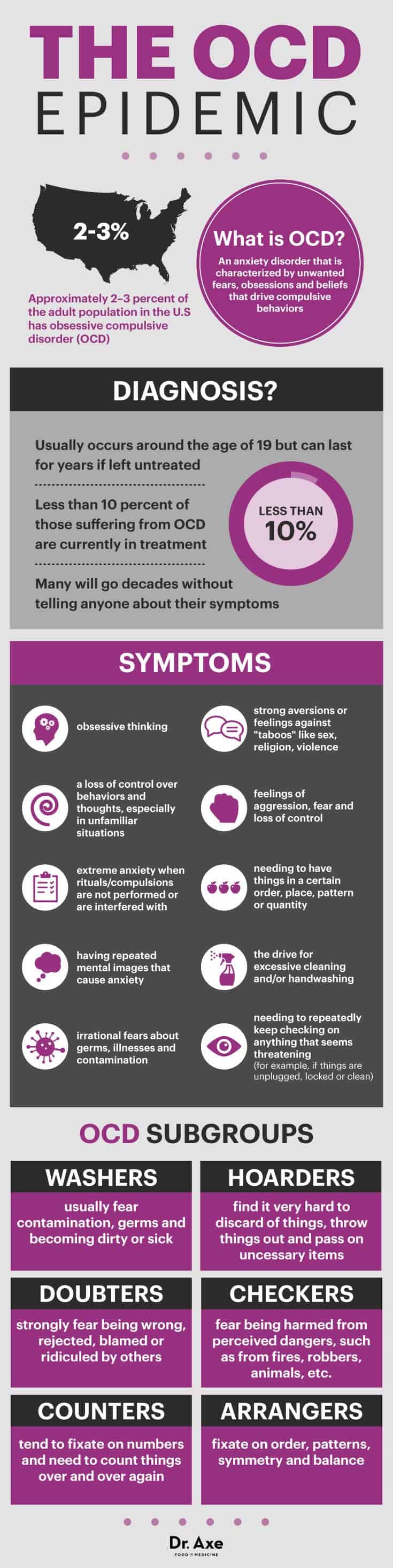
OCD is a mental health disorder characterized by persistent, intrusive thoughts (obsessions) and repetitive behaviors or mental acts (compulsions) performed to reduce the anxiety caused by these obsessions. Panic attacks, on the other hand, are sudden episodes of intense fear accompanied by physical symptoms. When these two conditions co-exist, the obsessive thoughts in OCD can become powerful triggers for panic attacks.
Think of it this way: the relentless, intrusive thoughts associated with OCD create a fertile ground for fear and anxiety. When these thoughts become overwhelming, they can escalate into a full-blown panic attack.
Here's a quick breakdown
OCD Obsessions: Intrusive, unwanted, and distressing thoughts, images, or urges. OCD Compulsions: Repetitive behaviors or mental acts performed to reduce anxiety caused by obsessions. Panic Attack:A sudden surge of intense fear or discomfort with physical and psychological symptoms.
Common Signs and Symptoms
OCD:
Persistent, intrusive thoughts or images.
Compulsive behaviors like excessive handwashing, checking, or ordering.
Intense anxiety if compulsions are resisted.
Needing reassurance. Panic Attack:
Sudden onset of intense fear or discomfort.
Heart palpitations, rapid heartbeat.
Sweating, trembling.
Shortness of breath, feeling of choking.
Chest pain or discomfort.
Dizziness, lightheadedness.
Feelings of unreality or detachment.
Fear of losing control or dying.
Panic Attack vs. Anxiety Attack: What's the Difference?
While both panic attacks and anxiety attacks involve feelings of intense fear and anxiety, they differ in their onset and intensity. Panic attacks typically come on suddenly and reach peak intensity within minutes, while anxiety attacks are usually more gradual and may be triggered by a specific stressor. Panic attacks also tend to have more pronounced physical symptoms than anxiety attacks. However, these terms are sometimes used interchangeably, and it's best to focus on the specific symptoms and experiences you're having.
What Causes OCD to Trigger Panic Attacks?
Several factors can contribute to the link between OCD and panic attacks. Understanding these causes can help you identify your own triggers and develop effective coping strategies.
The Nature of Obsessions: The content of obsessions often revolves around themes of harm, danger, or contamination. These thoughts can be inherently frightening and easily trigger a panic response. For instance, someone with OCD might obsess about contracting a deadly disease, which can lead to overwhelming fear and a panic attack. Fear of Losing Control: OCD often involves a fear of losing control – over thoughts, behaviors, or outcomes. This fear can extend to the panic attack itself, creating a cycle of anxiety and fear that perpetuates the attacks. The thought, "What if I have a panic attack in public and can't stop it?" can fuel the anxiety. Cognitive Distortions: Individuals with OCD often exhibit cognitive distortions, such as catastrophizing (imagining the worst-case scenario) and overestimating the likelihood of negative events. These distortions can amplify anxiety and make panic attacks more likely. Underlying Anxiety Disorders: OCD often co-occurs with other anxiety disorders, such as generalized anxiety disorder (GAD) or social anxiety disorder. The presence of multiple anxiety disorders can increase vulnerability to panic attacks. Stressful Life Events: Major life stressors, such as relationship problems, job loss, or financial difficulties, can exacerbate OCD symptoms and increase the risk of panic attacks. Genetic Predisposition: Research suggests that both OCD and panic disorder have a genetic component. If you have a family history of either condition, you may be more likely to develop them yourself. Neurochemical Imbalances:Imbalances in neurotransmitters, such as serotonin and dopamine, may play a role in both OCD and panic disorder. Medications that target these neurotransmitters are often effective in treating both conditions.
Risks and Misconceptions: Separating Fact from Fiction
It's important to address some common misconceptions about OCD and panic attacks. Understanding the reality can help alleviate unnecessary fears and promote a more informed approach to managing these conditions.
Misconception: Panic attacks are life-threatening.
Reality: While panic attacks can be incredibly distressing and feel like a heart attack, they are not dangerous. The physical symptoms are a result of the body's natural "fight or flight" response. Misconception: OCD is just about being neat and organized.
Reality: OCD is a serious mental health disorder characterized by intrusive thoughts and compulsive behaviors that significantly interfere with daily life. Cleanliness is only one possible manifestation; many other themes exist. Misconception: You can "snap out" of a panic attack or OCD.
Reality: Both panic attacks and OCD are complex conditions that require professional treatment and self-management strategies. Telling someone to simply "snap out of it" is unhelpful and invalidating. Risk: Ignoring OCD and panic attacks can lead to significant impairments in daily life. Risk: Untreated OCD can lead to depression, anxiety, and social isolation. Risk: Frequent panic attacks can lead to agoraphobia (fear of open or public spaces).
Can OCD Cause Fainting?
While panic attacks can cause feelings of dizziness and lightheadedness, true fainting is rare. The intense anxiety and hyperventilation associated with panic attacks can sometimes lead to a drop in blood pressure, which can cause a feeling of faintness. However, this is usually temporary and resolves on its own. If you experience frequent fainting spells, it's important to consult with a doctor to rule out any underlying medical conditions.
Coping and Management Strategies: Taking Control
There are several effective strategies for coping with OCD-related panic attacks. These strategies can be broadly divided into immediate calming techniques and long-term management approaches.
Immediate Calming Strategies
Deep Breathing: Practice slow, deep breathing to calm your nervous system. Inhale deeply through your nose, hold for a few seconds, and exhale slowly through your mouth. Grounding Techniques: Use your senses to connect with the present moment. Focus on what you can see, hear, smell, taste, and touch. For example, you could hold an ice cube in your hand and focus on the sensation of the cold. Progressive Muscle Relaxation: Tense and release different muscle groups in your body to reduce tension. Start with your toes and work your way up to your head. Visualization: Imagine yourself in a safe and calming place. Focus on the details of the environment and engage your senses. Positive Self-Talk: Challenge negative thoughts and replace them with positive affirmations. For example, instead of thinking, "I'm going to lose control," try thinking, "I can handle this. I've gotten through panic attacks before." Mindfulness Meditation: Practice focusing on the present moment without judgment. This can help you become more aware of your thoughts and feelings and reduce your reactivity to them. Use a Mantra or Prayer:Repeating a calming word, phrase, or prayer can help to shift your focus away from anxious thoughts.
Long-Term Management Strategies
Cognitive Behavioral Therapy (CBT): CBT is a type of therapy that helps you identify and change negative thought patterns and behaviors. Exposure and Response Prevention (ERP) is a specific type of CBT used to treat OCD. It involves gradually exposing yourself to your fears without engaging in compulsive behaviors. Medication: Selective serotonin reuptake inhibitors (SSRIs) are commonly prescribed to treat both OCD and panic disorder. Other medications, such as benzodiazepines, may be prescribed for short-term relief of panic symptoms. Always consult with a doctor before starting or stopping any medication. Lifestyle Changes:
Regular Exercise: Exercise can help reduce anxiety and improve mood.
Healthy Diet: Eating a balanced diet can help regulate blood sugar levels and reduce anxiety symptoms.
Adequate Sleep: Getting enough sleep is essential for managing anxiety and promoting overall well-being.
Limit Caffeine and Alcohol: Both caffeine and alcohol can trigger anxiety and panic attacks. Stress Management Techniques: Practice relaxation techniques, such as yoga, meditation, or tai chi, to reduce stress levels. Support Groups: Connecting with others who understand what you're going through can provide valuable support and encouragement. Mindfulness Practices: Incorporate mindfulness into your daily routine.
Medical and Safety Guidance: When to Seek Help
While most panic attacks are not dangerous, there are situations where it's important to seek medical attention.
Seek Urgent Care if
You experience chest pain or discomfort that lasts for more than a few minutes.
You have difficulty breathing or feel like you're choking.
You feel like you're going to pass out.
You have a sudden, severe headache.
You have a high fever.
Talk to a Doctor if
You experience frequent panic attacks.
Your panic attacks are interfering with your daily life.
You have thoughts of harming yourself or others.
You have co-existing mental health conditions, such as depression or PTSD.
You are pregnant or breastfeeding.
You have a family history of anxiety disorders or OCD.
Doctors use the International Classification of Diseases (ICD-10) coding system for diagnosis. Relevant codes might include those for anxiety disorders, panic disorder (F41.0), and obsessive-compulsive disorder (F42).
Special Cases: Unique Considerations
Panic Attacks in Children and Teens: Children and teens can also experience panic attacks and OCD. Symptoms may be similar to those in adults, but children may have difficulty expressing their feelings. Parents should seek professional help if they suspect their child is struggling with panic attacks or OCD. Panic Attacks During Pregnancy: Pregnancy can be a stressful time, and some women may experience panic attacks for the first time during pregnancy. It's important to talk to your doctor about safe treatment options. Nocturnal Panic Attacks: Nocturnal panic attacks occur during sleep. They can be frightening and disruptive, and may lead to insomnia. Health Anxiety: Health anxiety, also known as hypochondria, is a condition characterized by excessive worry about having a serious illness. This can trigger panic attacks.
FAQs: Your Questions Answered
Can obsessive thoughts actually cause a panic attack? Yes, the intrusive and distressing nature of obsessive thoughts in OCD can absolutely trigger a panic attack. The anxiety generated by these thoughts can quickly escalate, leading to the physical and psychological symptoms of a panic attack. How can I tell the difference between an OCD episode and a panic attack? An OCD episode typically involves persistent, intrusive thoughts and compulsive behaviors aimed at reducing anxiety. A panic attack is a sudden surge of intense fear accompanied by physical symptoms. While OCD can trigger panic attacks, they are distinct experiences. Is it possible to have OCD without experiencing panic attacks? Yes, it's possible to have OCD without experiencing panic attacks. However, many individuals with OCD also struggle with panic disorder. What is the best way to stop a panic attack triggered by OCD thoughts? Immediate calming strategies, such as deep breathing, grounding techniques, and positive self-talk, can help to reduce the intensity of a panic attack. Long-term management strategies, such as CBT and medication, can help to reduce the frequency and severity of both OCD and panic attacks. Can medication help with both OCD and panic attacks? Yes, certain medications, such as SSRIs, can be effective in treating both OCD and panic disorder. Are there any natural remedies for OCD-related panic attacks? While there's no substitute for professional treatment, lifestyle changes, such as regular exercise, a healthy diet, and adequate sleep, can help to reduce anxiety and improve overall well-being. Mindfulness practices and stress management techniques can also be helpful. If I have OCD and panic attacks, am I destined to live with this forever? No, you are not destined to live with this forever. With appropriate treatment and self-management strategies, many individuals with OCD and panic attacks experience significant improvement in their symptoms and quality of life.
Conclusion: A Path Towards Healing
The connection between OCD and panic attacks can feel overwhelming, but understanding this link is the first step toward finding relief. Remember, you are not alone, and there are effective treatments and strategies available to help you manage these challenging experiences. By learning to identify your triggers, practicing calming techniques, and seeking professional support, you can break the cycle of obsessive thoughts and fear.
If OCD and panic attacks are significantly impacting your daily life, please reach out to a mental health professional. With the right support and guidance, you can regain control and live a fuller, more peaceful life. There is hope for healing and a brighter future.