
Manic Depression and Panic Attacks: Understanding the Dual Diagnosis
If you've been diagnosed with manic depression, now known as bipolar disorder, and also experience panic attacks, you're not alone. Experiencing both conditions can feel overwhelming, but understanding the connection and available treatments is the first step toward managing your mental health. This article will explore the intricacies of this dual diagnosis, offering clarity on symptoms, causes, management strategies, and when to seek professional help. We'll rely on evidence-based information from trusted sources like the American Psychiatric Association (APA) and the National Institute of Mental Health (NIMH) to provide you with the most accurate and helpful guidance.
What is Manic Depression (Bipolar Disorder)?
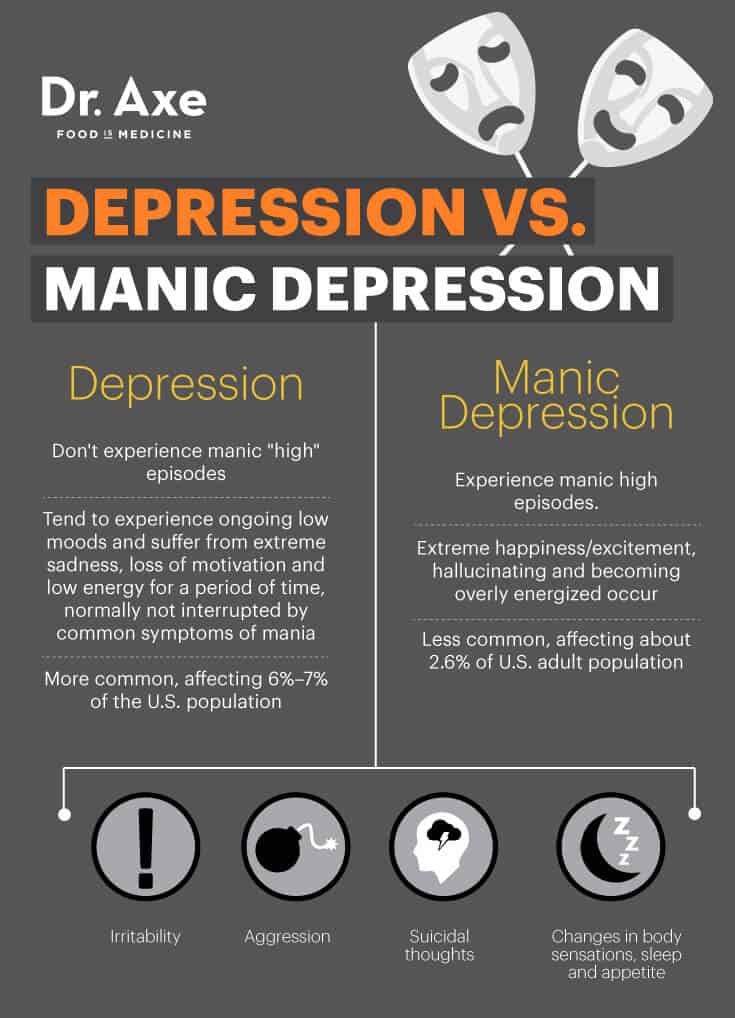
Manic depression, or bipolar disorder, is a mental health condition characterized by extreme shifts in mood, energy, activity levels, concentration, and the ability to carry out day-to-day tasks. These shifts include periods of intense highs (mania or hypomania) and debilitating lows (depression). It's important to note that "manic depression" is an older term; today, mental health professionals use the term "bipolar disorder."
Key Symptoms of Bipolar Disorder
Manic Episodes:
Elevated mood, feeling unusually happy or irritable.
Increased energy and activity levels.
Racing thoughts and rapid speech.
Decreased need for sleep.
Inflated self-esteem or grandiosity.
Impulsive behavior (e.g., excessive spending, risky sexual encounters). Depressive Episodes:
Persistent sadness, hopelessness, or emptiness.
Loss of interest or pleasure in activities.
Fatigue and decreased energy.
Changes in appetite or weight.
Sleep disturbances (insomnia or excessive sleeping).
Difficulty concentrating or making decisions.
Thoughts of death or suicide.
There are different types of bipolar disorder (Bipolar I, Bipolar II, Cyclothymic Disorder, and other specified bipolar and related disorders), each with specific criteria for the duration and severity of manic and depressive episodes.
Understanding Panic Attacks
A panic attack is a sudden episode of intense fear that triggers severe physical reactions when there is no real danger or apparent cause. While alarming, panic attacks are not life-threatening, but they can significantly impact quality of life. They can occur unexpectedly or be triggered by specific situations or thoughts.
Key Symptoms of Panic Attacks
Pounding heart or rapid heart rate.
Sweating.
Trembling or shaking.
Shortness of breath or feeling of being smothered.
Chest pain or discomfort.
Nausea or abdominal distress.
Feeling dizzy, lightheaded, or faint.
Chills or heat sensations.
Numbness or tingling sensations (paresthesia).
Feelings of unreality or detachment from oneself (derealization or depersonalization).
Fear of losing control or going crazy.
Fear of dying.
Panic attacks usually peak within minutes and then subside. However, the lingering fear of another attack can lead to panic disorder.
The Link Between Bipolar Disorder and Panic Attacks: The Dual Diagnosis
The co-occurrence of bipolar disorder and panic attacks is more common than many realize. Studies suggest that people with bipolar disorder are at a higher risk of experiencing panic attacks and developing panic disorder. This combination is referred to as a dual diagnosis.
Why does this dual diagnosis occur? Several factors contribute to the link: Shared Neurobiological Pathways: Both bipolar disorder and panic disorder involve imbalances in neurotransmitters like serotonin, norepinephrine, and GABA. These imbalances can make individuals more susceptible to both mood swings and anxiety. Genetic Predisposition: Genetics play a significant role in both bipolar disorder and panic disorder. Individuals with a family history of either condition are more likely to develop them. Stress and Trauma: Stressful life events and traumatic experiences can trigger or worsen both bipolar disorder and panic disorder. They can also act as a link, where a traumatic event might unearth a predisposition to both conditions. Medication Side Effects: Certain medications used to treat bipolar disorder can sometimes trigger or exacerbate anxiety symptoms, potentially leading to panic attacks. Cycle of Moods:The unpredictable nature of mood swings in bipolar disorder can create anxiety. Someone experiencing a manic episode might fear the crash that inevitably follows, or someone in a depressive episode might experience anxiety stemming from their feelings of hopelessness.
Causes and Triggers of Panic Attacks in People with Bipolar Disorder
While the underlying causes of panic attacks in individuals with bipolar disorder are intertwined with the causes of bipolar disorder itself, specific triggers can set off a panic attack. Identifying these triggers is crucial for managing the condition.
Mood Swings: As mentioned earlier, the inherent instability of mood associated with bipolar disorder can be a significant trigger. The anticipation or experience of a manic or depressive episode can induce anxiety and trigger panic attacks. Stress: Major life stressors, such as relationship problems, financial difficulties, or job loss, can trigger panic attacks in people with bipolar disorder. Sleep Deprivation: Lack of sleep can destabilize mood and increase anxiety, making individuals more vulnerable to panic attacks. Substance Use: Alcohol and recreational drugs can worsen both bipolar disorder and panic disorder. Stimulants, in particular, can trigger panic attacks. Caffeine: Even moderate caffeine intake can trigger anxiety and panic in some individuals. Specific Situations: Certain situations, such as public speaking, social gatherings, or enclosed spaces, can trigger panic attacks, especially if someone has a history of anxiety in these contexts. Health Concerns:Worries about physical health, real or perceived, can also trigger panic attacks. This is particularly relevant for individuals with health anxiety.
Risks and Misconceptions about Bipolar Disorder, Panic Attacks, and the Dual Diagnosis
It's crucial to dispel some common misconceptions and highlight potential risks associated with this dual diagnosis: Misconception: Panic Attacks Are Just "In Your Head": Panic attacks are a real medical condition with physical symptoms. They are not simply a matter of willpower or "thinking positively." Misconception: Bipolar Disorder is Just Extreme Moodiness: Bipolar disorder is a serious mental illness with significant biological underpinnings. It requires professional diagnosis and treatment. Risk: Increased Suicide Risk: Individuals with both bipolar disorder and panic disorder have a higher risk of suicidal thoughts and behaviors than those with either condition alone. This underscores the importance of early intervention and comprehensive treatment. Risk: Substance Abuse: Some individuals with bipolar disorder and panic disorder may turn to substance use as a way to cope with their symptoms, leading to addiction and further complications. Risk: Impaired Functioning: The combined impact of mood swings and panic attacks can significantly impair daily functioning, affecting work, relationships, and overall quality of life. Misconception: Medications Will "Cure" Bipolar Disorder and Panic Attacks: While medications are often a crucial part of treatment, they are typically most effective when combined with therapy and lifestyle modifications.
Coping and Management Strategies for Bipolar Disorder and Panic Attacks
Managing both bipolar disorder and panic attacks requires a comprehensive and individualized approach. It typically involves a combination of medication, therapy, and lifestyle adjustments.
Immediate Calming Strategies for Panic Attacks
Deep Breathing: Practice slow, deep breathing exercises to regulate your heart rate and calm your nervous system. Try inhaling deeply through your nose for four seconds, holding your breath for two seconds, and exhaling slowly through your mouth for six seconds. Grounding Techniques: Use your senses to connect with the present moment. Focus on what you can see, hear, smell, taste, and touch. For example, describe five things you can see, four things you can touch, three things you can hear, two things you can smell, and one thing you can taste. Progressive Muscle Relaxation: Tense and release different muscle groups in your body to reduce physical tension and promote relaxation. Visualization: Imagine yourself in a safe and calming place. Focus on the details of the scene, such as the sights, sounds, and smells. Mantra or Affirmation:Repeat a calming word or phrase to yourself, such as "This will pass," or "I am safe."
Long-Term Strategies
Medication:
Mood Stabilizers: Lithium, valproate, lamotrigine, and carbamazepine are commonly used to treat bipolar disorder and can help prevent mood swings, which in turn can reduce the frequency of panic attacks.
Antidepressants: Selective serotonin reuptake inhibitors (SSRIs) and serotonin-norepinephrine reuptake inhibitors (SNRIs) may be prescribed for depressive episodes and can also help manage panic attacks. However, they must be used with caution and under close supervision, as they can sometimes trigger manic episodes.
Anti-Anxiety Medications: Benzodiazepines can provide short-term relief from panic attacks, but they are generally not recommended for long-term use due to the risk of dependence. Buspirone and hydroxyzine are non-addictive alternatives that may be helpful. Therapy:
Cognitive Behavioral Therapy (CBT): CBT helps individuals identify and change negative thought patterns and behaviors that contribute to panic attacks and mood swings. It also teaches coping skills for managing anxiety and stress.
Dialectical Behavior Therapy (DBT): DBT focuses on improving emotional regulation, distress tolerance, and interpersonal skills. It can be particularly helpful for individuals with bipolar disorder who struggle with impulsive behavior and emotional instability.
Interpersonal and Social Rhythm Therapy (IPSRT): IPSRT helps individuals with bipolar disorder establish regular daily routines, including sleep, meals, and social activities. This can help stabilize mood and reduce the risk of both manic and depressive episodes. Lifestyle Adjustments:
Regular Sleep: Prioritize getting enough sleep, as sleep deprivation can worsen both bipolar disorder and panic disorder. Aim for 7-9 hours of sleep per night.
Healthy Diet: Eat a balanced diet and avoid processed foods, sugary drinks, and excessive caffeine.
Regular Exercise: Engage in regular physical activity to improve mood, reduce stress, and promote overall well-being.
Avoid Alcohol and Drugs: Substance use can worsen both bipolar disorder and panic disorder.
Stress Management: Practice relaxation techniques such as yoga, meditation, or deep breathing exercises to manage stress.
Support System: Build a strong support system of friends, family, and mental health professionals.
Alternative and Supportive Practices
Mindfulness Meditation: Regular mindfulness practice can help increase awareness of thoughts and feelings without judgment, promoting emotional regulation. Yoga: Yoga combines physical postures, breathing exercises, and meditation to reduce stress and improve overall well-being. Acupuncture: Some studies suggest that acupuncture may be helpful for managing anxiety and depression. Support Groups: Connecting with others who have bipolar disorder and panic disorder can provide valuable support and understanding.
Medical and Safety Guidance: When to Seek Help
It's essential to know when to seek professional help for bipolar disorder and panic attacks.
Seek Immediate Medical Attention if:
You experience chest pain, shortness of breath, or other symptoms that could indicate a heart attack.
You have thoughts of harming yourself or others.
You feel like you are losing control or going crazy. Talk to Your Doctor if:
You experience frequent panic attacks.
Your panic attacks are interfering with your daily life.
You have symptoms of bipolar disorder.
You are concerned about medication side effects.
You are pregnant or planning to become pregnant. ICD-10 Codes (For informational purposes only, not for self-diagnosis):
Bipolar Disorder: F31.x
Panic Disorder: F41.0
Special Cases: Considerations for Specific Populations
Panic Attacks in Children and Teens with Bipolar Disorder: Children and teens with bipolar disorder can also experience panic attacks. Symptoms may be similar to those in adults, but it's important to seek professional help from a child psychiatrist or psychologist experienced in treating both conditions. Panic Attacks During Pregnancy: Panic attacks during pregnancy can be particularly distressing. It's essential to discuss treatment options with your doctor, as some medications may not be safe during pregnancy. Therapy and lifestyle adjustments are often the preferred approach. Nocturnal Panic Attacks: Nocturnal panic attacks occur during sleep. They can be particularly frightening as they often involve a sudden awakening with intense fear and physical symptoms. Managing stress, improving sleep hygiene, and seeking professional help can be beneficial.
FAQs: Addressing Common Concerns
Can anxiety trigger a manic episode?
While anxiety itself doesn't directly cause a manic episode, the chronic stress and emotional dysregulation associated with anxiety can exacerbate mood swings in individuals with bipolar disorder, potentially increasing the likelihood of a manic episode.
How do I know if I'm having a panic attack or a symptom of a manic episode?
Panic attacks are distinct episodes of intense fear and physical symptoms, whereas manic episodes are characterized by sustained elevated mood, increased energy, and impulsive behavior. It's best to consult with a mental health professional for proper diagnosis and treatment.
Are there any medications that treat both bipolar disorder and panic attacks?
Some medications, such as certain antidepressants (SSRIs and SNRIs), can be used to treat both conditions. However, these medications must be used with caution in individuals with bipolar disorder, as they can sometimes trigger manic episodes. Mood stabilizers like lithium can help manage bipolar disorder symptoms, which may indirectly lessen the frequency of panic attacks.
Can therapy alone help manage both bipolar disorder and panic attacks?
Therapy, particularly CBT and DBT, can be highly effective in managing both bipolar disorder and panic attacks by teaching coping skills, addressing underlying emotional issues, and promoting emotional regulation. However, medication may also be necessary for some individuals to achieve optimal symptom control.
What lifestyle changes can help reduce panic attacks if I have bipolar disorder?
Prioritizing sleep, eating a healthy diet, engaging in regular exercise, avoiding alcohol and drugs, and practicing stress management techniques can all help reduce the frequency and severity of panic attacks in individuals with bipolar disorder.
Conclusion: Taking Control of Your Mental Health
Living with both bipolar disorder and panic attacks can be challenging, but it's important to remember that help is available, and recovery is possible. By understanding the connection between these conditions, identifying triggers, and implementing effective coping strategies, you can take control of your mental health and improve your quality of life. Don't hesitate to seek professional help from a qualified mental health provider who can provide a comprehensive assessment and develop an individualized treatment plan that meets your specific needs. With the right support, you can navigate the challenges of this dual diagnosis and live a fulfilling life. Remember you are not alone, and with perseverance, you can find peace and stability.