
Can Panic Attacks Cause Dizziness? Understanding the Connection and What to Do
If you've ever experienced a sudden wave of overwhelming fear accompanied by a feeling that the room is spinning, you might be wondering: *can panic attacks cause dizziness? The answer is yes, dizziness is a common and often distressing symptom of panic attacks. This article will explore the connection between panic attacks and dizziness, explaining why it happens, what it feels like, and, most importantly, what you can do to manage it. We’ll provide evidence-based information to help you understand your experiences and empower you to take control of your well-being.
Understanding Dizziness and Panic Attacks
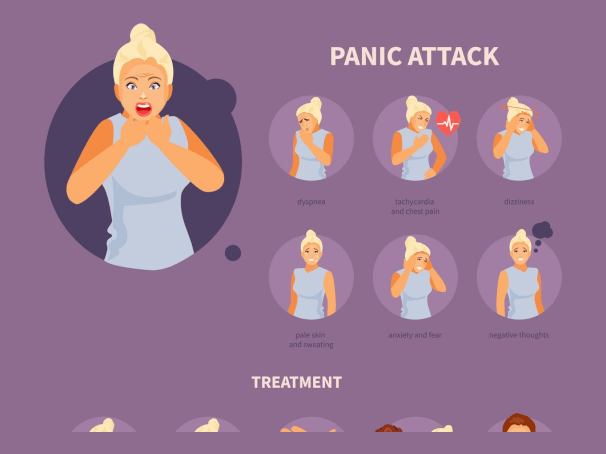
Panic attacks are sudden episodes of intense fear that trigger severe physical reactions, even when there's no real danger or apparent cause. Dizziness, or feeling lightheaded, unsteady, or as if the room is spinning (vertigo), is a frequent companion to these terrifying experiences.
Common Symptoms of a Panic Attack
Rapid heartbeat
Shortness of breath
Chest pain
Sweating
Trembling or shaking
Nausea
Feeling detached from reality (derealization) or oneself (depersonalization) Dizziness or lightheadedness Hot flashes or chills
Fear of losing control or dying
Panic Attack vs. Anxiety Attack
While the terms "panic attack" and "anxiety attack" are often used interchangeably, they are distinct. Panic attacks are sudden and intense, reaching a peak within minutes. Anxiety, on the other hand, is a more persistent feeling of worry or unease that can build gradually. While anxiety can contribute to dizziness, panic attacks are more likely to trigger a sudden and intense bout of it.
Dizziness vs. Fainting
It’s crucial to differentiate between dizziness and fainting. Dizziness is a sensation of unsteadiness, while fainting (syncope) involves a temporary loss of consciousness. While the feeling of dizziness during a panic attack can be incredibly frightening, actual fainting is less common. We’ll explore this further in the “Risks & Misconceptions” section.
What Causes Dizziness During a Panic Attack?
Dizziness during a panic attack is usually caused by a combination of physiological responses triggered by the body's "fight or flight" system.
Hyperventilation:Rapid, shallow breathing (hyperventilation) is a common response during panic attacks. This leads to a decrease in carbon dioxide levels in the blood, which can cause blood vessels to constrict, reducing blood flow to the brain and causing dizziness. Adrenaline Rush: The surge of adrenaline released during a panic attack can affect blood pressure and heart rate, contributing to feelings of lightheadedness and unsteadiness. Muscle Tension: Panic attacks often involve tense muscles, particularly in the neck and shoulders. This tension can restrict blood flow and contribute to dizziness. Inner Ear Issues: While less common, pre-existing inner ear problems like vertigo can be exacerbated by the stress and anxiety of a panic attack.
Other Potential Triggers for Panic Attacks (and Dizziness)
Stress: High levels of stress can make you more vulnerable to panic attacks. Medical Conditions: Certain medical conditions, such as thyroid problems or heart conditions, can sometimes trigger panic-like symptoms. Always rule out medical causes with your doctor. Substance Use: Alcohol, caffeine, and certain drugs can trigger or worsen anxiety and panic attacks. Withdrawal: Withdrawal from certain substances, including alcohol and benzodiazepines, can also cause panic attacks and dizziness. Hormonal Changes: Fluctuations in hormone levels during pregnancy, perimenopause, or menstruation can sometimes contribute to anxiety and panic. Mental Health Conditions: Panic disorder, generalized anxiety disorder (GAD), social anxiety disorder, post-traumatic stress disorder (PTSD), and obsessive-compulsive disorder (OCD) are often associated with panic attacks. Dehydration and Low Blood Sugar:While not direct causes of panic attacks, dehydration or low blood sugar can mimic or worsen anxiety symptoms, including dizziness.
Panic Attacks During Pregnancy
Pregnancy brings significant hormonal and physical changes, which can make some women more susceptible to anxiety and panic attacks. Dizziness can also be more common during pregnancy due to increased blood volume and hormonal shifts. It’s essential for pregnant women experiencing panic attacks to seek support from their healthcare provider.
Risks and Misconceptions About Panic Attacks and Dizziness
It's important to address some common misconceptions about panic attacks and dizziness to alleviate unnecessary fear.
Myth: Panic attacks are life-threatening. Panic attacks are incredibly distressing, but they are not inherently dangerous. While the symptoms can mimic those of a heart attack, they do not cause heart damage. Myth: You will definitely faint during a panic attack. While you may feel like you're going to faint, actual fainting during a panic attack is relatively rare. The adrenaline surge often prevents a significant drop in blood pressure that would lead to fainting. Reality Check: When Fainting Can Happen. In rare cases, faintingcanoccur during a panic attack, particularly if you have a pre-existing condition that affects blood pressure or heart rate. If you have a history of fainting, discuss this with your doctor.
Can anxiety cause fainting?
While panic attacks canfeellike you're going to faint, true syncope (fainting) is less common. Simple anxiety itself can lead to lightheadedness or near-fainting spells, but this is typically due to hyperventilation and the resulting drop in carbon dioxide levels.
Coping and Management Strategies for Panic Attacks and Dizziness
Fortunately, there are many effective strategies for managing panic attacks and reducing the associated dizziness.
Immediate Calming Strategies
Breathing Exercises: Practice slow, deep breathing. Inhale deeply through your nose for a count of four, hold for one, and exhale slowly through your mouth for a count of six. This helps regulate your breathing and restore carbon dioxide levels. Grounding Techniques: Focus on your senses. Name five things you can see, four things you can touch, three things you can hear, two things you can smell, and one thing you can taste. This helps bring you back to the present moment. Visualization: Imagine yourself in a safe and peaceful place. Focus on the details of the environment and engage all your senses. Cold Water: Splash cold water on your face or hold an ice pack to your forehead. This can stimulate the vagus nerve and help calm your nervous system. Mantras or Affirmations: Repeat a calming phrase to yourself, such as "This will pass," "I am safe," or "I am strong." Prayer: If you find comfort in faith, prayer can offer a sense of peace and connection during a panic attack. Find a quiet space and speak to your higher power, asking for strength and guidance.
Long-Term Strategies
Therapy: Cognitive Behavioral Therapy (CBT) is highly effective in treating panic disorder. CBT helps you identify and change negative thought patterns and behaviors that contribute to panic attacks. Medication: Selective serotonin reuptake inhibitors (SSRIs) are commonly prescribed to treat panic disorder. Beta-blockers can help reduce physical symptoms like rapid heartbeat and trembling. In some cases, anti-anxiety medications like hydroxyzine can be helpful.Alwaysdiscuss medication options with your doctor. Lifestyle Changes:
Sleep: Aim for 7-9 hours of quality sleep each night.
Hydration: Drink plenty of water throughout the day.
Diet: Eat a balanced diet and avoid processed foods, excessive sugar, and caffeine.
Exercise: Regular physical activity can help reduce anxiety and improve overall well-being.
Avoid Triggers: Identify and avoid substances or situations that trigger your panic attacks.
Alternative and Supportive Practices
Mindfulness Meditation: Practicing mindfulness can help you become more aware of your thoughts and feelings without judgment, reducing anxiety and promoting relaxation. Music Therapy: Listening to calming music can help soothe your nervous system and reduce feelings of anxiety. EMDR (Eye Movement Desensitization and Reprocessing): EMDR therapy can be helpful for processing traumatic experiences that may be contributing to panic attacks. Hypnosis: Hypnotherapy can help you access your subconscious mind and change negative thought patterns and behaviors. Faith-Based Coping:
Bible Verses: Reading or meditating on scripture can provide comfort and reassurance. Verses about peace, strength, and God's presence can be particularly helpful.
Prayer: Engage in regular prayer to connect with your faith and find solace in your beliefs.
Medical and Safety Guidance: When to Seek Help
While panic attacks are generally not dangerous, it's important to know when to seek medical attention.
Seek Urgent Care If:
You experience chest pain, especially if you have risk factors for heart disease.
You experience prolonged fainting or loss of consciousness.
You have difficulty breathing or experience severe shortness of breath.
You have a sudden and severe headache.
Your blood pressure is very high. Talk to Your Doctor If:
You are experiencing frequent panic attacks.
Your panic attacks are interfering with your daily life.
You have a history of heart problems or other medical conditions.
You are pregnant or breastfeeding.
You have co-existing mental health conditions, such as PTSD, OCD, or bipolar disorder.
ICD-10 Coding: Panic disorder is typically coded under the ICD-10 classification F41.0.
Special Cases
Panic Attacks in Children and Teens: Children and teens can also experience panic attacks. Symptoms may be similar to adults, but children may have difficulty expressing their feelings. Nocturnal Panic Attacks: Nocturnal panic attacks occur during sleep and can be particularly frightening, as they often wake you up with intense physical symptoms. Health Anxiety: Health anxiety (hypochondria) can exacerbate panic attacks, as individuals may misinterpret normal bodily sensations as signs of a serious illness. Claustrophobia (MRI, Driving): Individuals with claustrophobia may experience panic attacks in enclosed spaces, such as during an MRI or while driving in heavy traffic.
FAQs: Frequently Asked Questions About Panic Attacks and Dizziness
Can you really faint from a panic attack? While it's rare, faintingcanoccur, especially if you have underlying medical conditions. How do I tell the difference between a panic attack and a heart attack? Panic attack symptoms can mimic a heart attack, but heart attacks often involve crushing chest pain that radiates to the arm or jaw. If you're unsure, seek immediate medical attention. Why do I feel tingling or pins and needles during anxiety? Hyperventilation during a panic attack can lead to changes in blood chemistry, causing tingling sensations. How long does it take to recover from a panic attack? Most panic attacks subside within 20-30 minutes, but it can take longer to feel completely back to normal. Can prayer or meditation stop panic attacks? Prayer and meditation can be valuable tools for managing anxiety and reducing the frequency and intensity of panic attacks, but they are not a guaranteed cure. What is vestibular dysfunction and how does it relate to anxiety? Vestibular dysfunction is a disorder of the inner ear that causes balance problems and dizziness. Anxiety can exacerbate vestibular symptoms, and vice versa. Are there natural remedies for dizziness caused by anxiety? Some natural remedies that may help include ginger, peppermint, and lavender essential oil. However, it's important to talk to your doctor before trying any new remedies, especially if you have underlying medical conditions.
Conclusion
Experiencing dizziness during a panic attack can be incredibly unsettling. Remember that dizziness is a common symptom, and while it can feel overwhelming, it's usually not dangerous. By understanding the causes, learning coping strategies, and seeking professional help when needed, you can effectively manage your panic attacks and regain control over your well-being. Don't hesitate to reach out to a mental health professional if panic attacks are significantly impacting your life. With the right support and tools, you can find relief and live a fulfilling life free from the grip of panic.